Author: Evan Panagiotopoulos
-
Oops!… I Did It Again — Two More Smith Fig Cuttings
—
by
The two Smith fig cuttings, recently purchased on January 22nd, arrived in good shape, though they were unfortunately frozen. I carefully washed and gently scrubbed them with water and a bit of dishwashing soap. Then I lightly scored the bottom of the cuttings and place them together in a transparent cup filled with plain water…
-
Don’t Just Cut—Help the Tree Heal
—
by
When you prune a tree, it’s often said that you should seal the wound to protect it from future damage. While there are certain pruning cuts that, given time, will heal themselves naturally, many gardeners still believe in giving the tree a little extra help. Not too long ago I blogged about trees properly healing…
-
When the Fig Gods Smile at the Supermarket
—
by
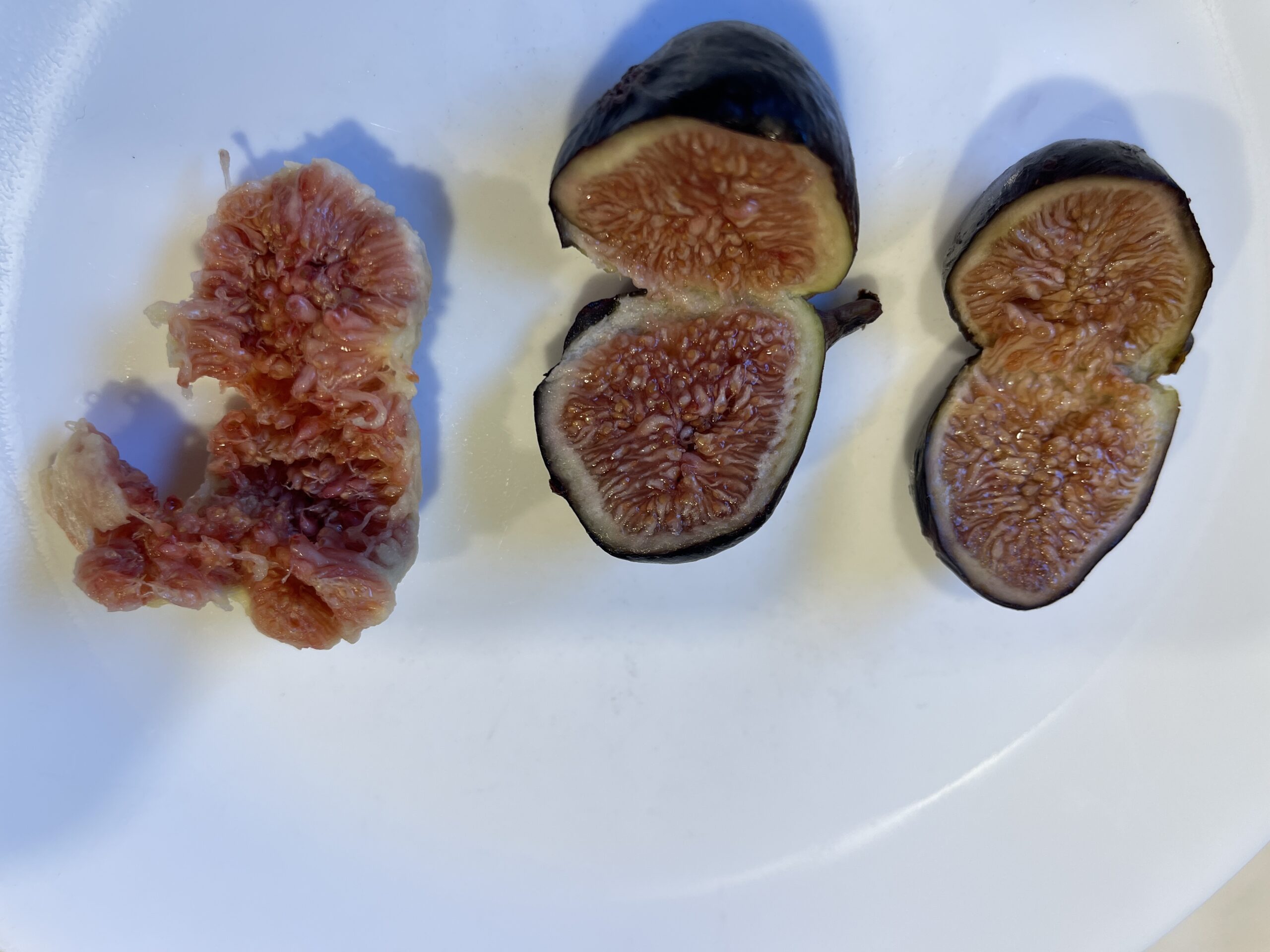
I love to shop at this chain of local supermarkets, Adams Fairacre Farms, a beloved local destination for quality and variety. I appreciate that they’re not expanding nationwide, because their brand and business are rooted in serving local Hudson Valley communities with fresh, locally sourced products rather than large-scale expansion. Each store has a hidden…
-

Rooting Cuttings in Coco Coir
—
by
Every year, I experiment with a variety of methods to root fig cuttings, and for the most part, I’ve had great success with all of them. That said, my go-to method has always been rooting cuttings in transparent cups of water, simple, effective, and reliable. This year, however, I decided to expand my approach and…
-
All about saws and teeth?
—
by
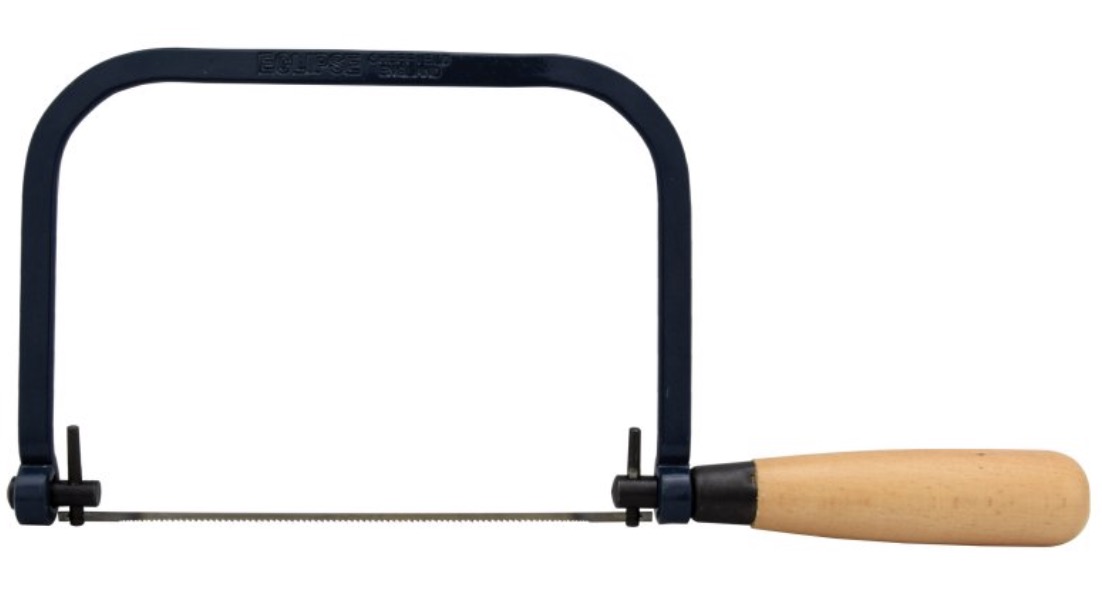
Recently, I was reading a terrific online article about TPI (teeth per inch) because I need to stock up on blades for my newly acquired coping saw. (ref 1). Here is what I learned from this article. The number of TPI on a saw blade has a major impact on how it cuts: blades with…
-
A Cozy Winter Home for Your Potted Fig
—
by
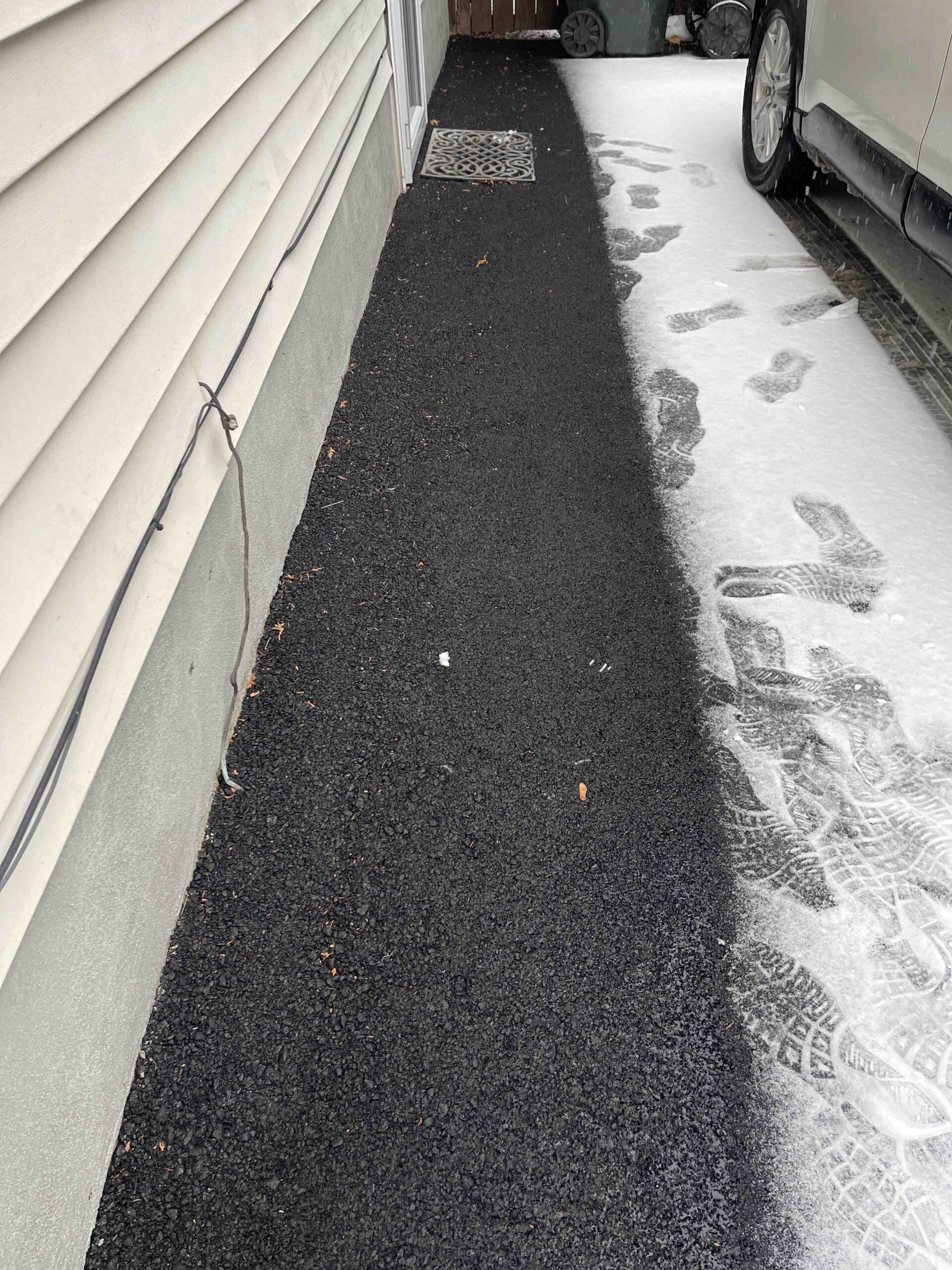
I can’t tell you how many times I’ve read people’s posts on social media saying they can’t winterize their potted fig(s) because they don’t have a garage, cellar, or shed. My answer is always the same: keep it simple and get a little creative! Take a look at this photo I snapped of the side…
-

A Novel Approach to Fig Tree Winter Protection
—
by
Materials you will need: twine, PVC pipes, two for each bed, a hacksaw to cut the PVC pipes to length, also you will need a drill to mae the necessary four holes for each bed. You can easily pick up PVC pipes at your local hardware store. The raised bed I was working on measured…
-
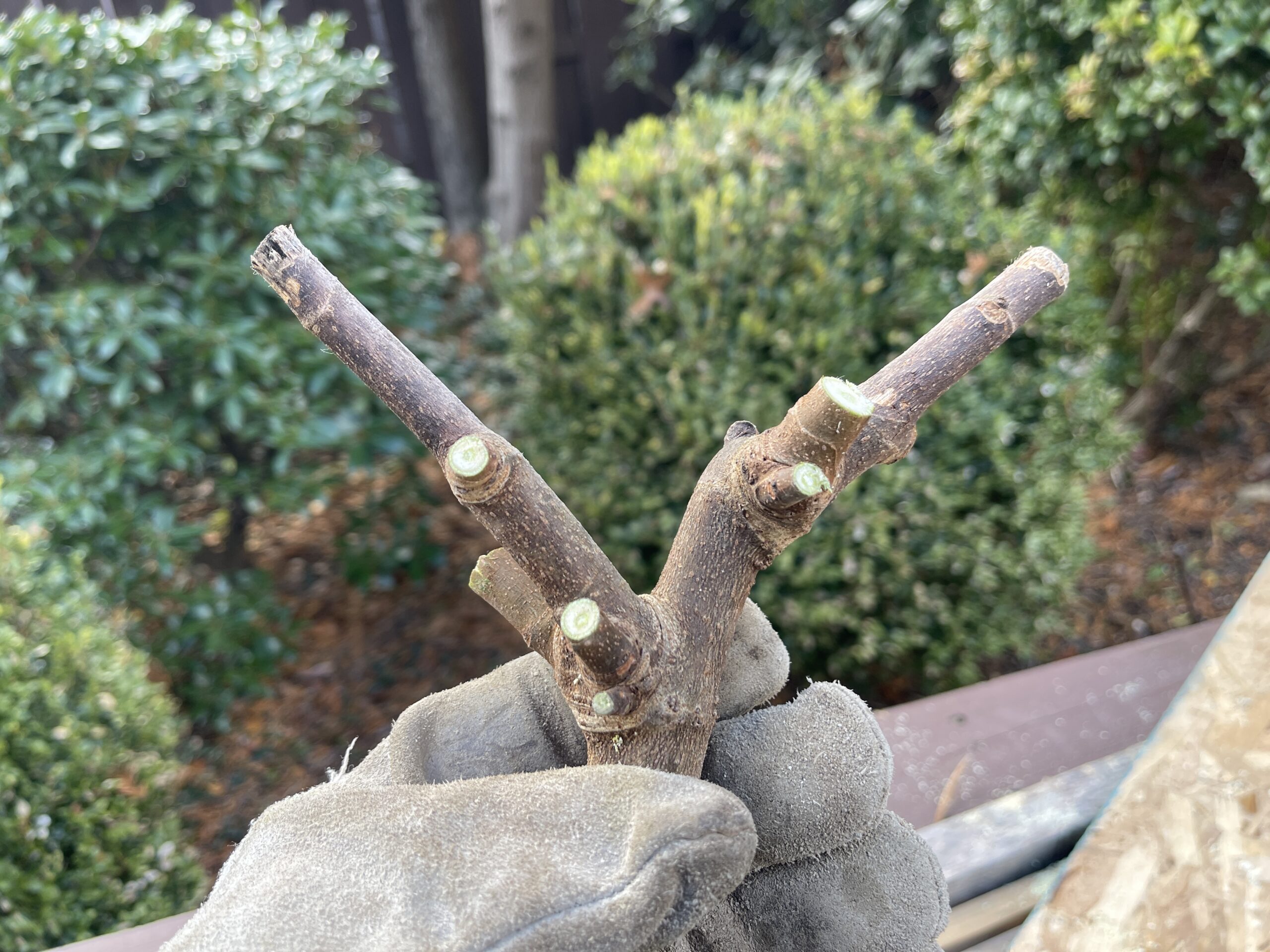
Fig Cuttings with Character
—
by
It’s late November here in Zone 6b (Mid-Hudson Valley, NY), and my fig trees have finally gone fully dormant—perfect timing for pruning. As always, trimming day means a bounty of cuttings, and I’m constantly on the lookout for ones that stand out in some special way. The thick cuttings are always my favorites—they root more…
-
Moisture: The Hidden Threat When Winterizing Fig Trees
—
by
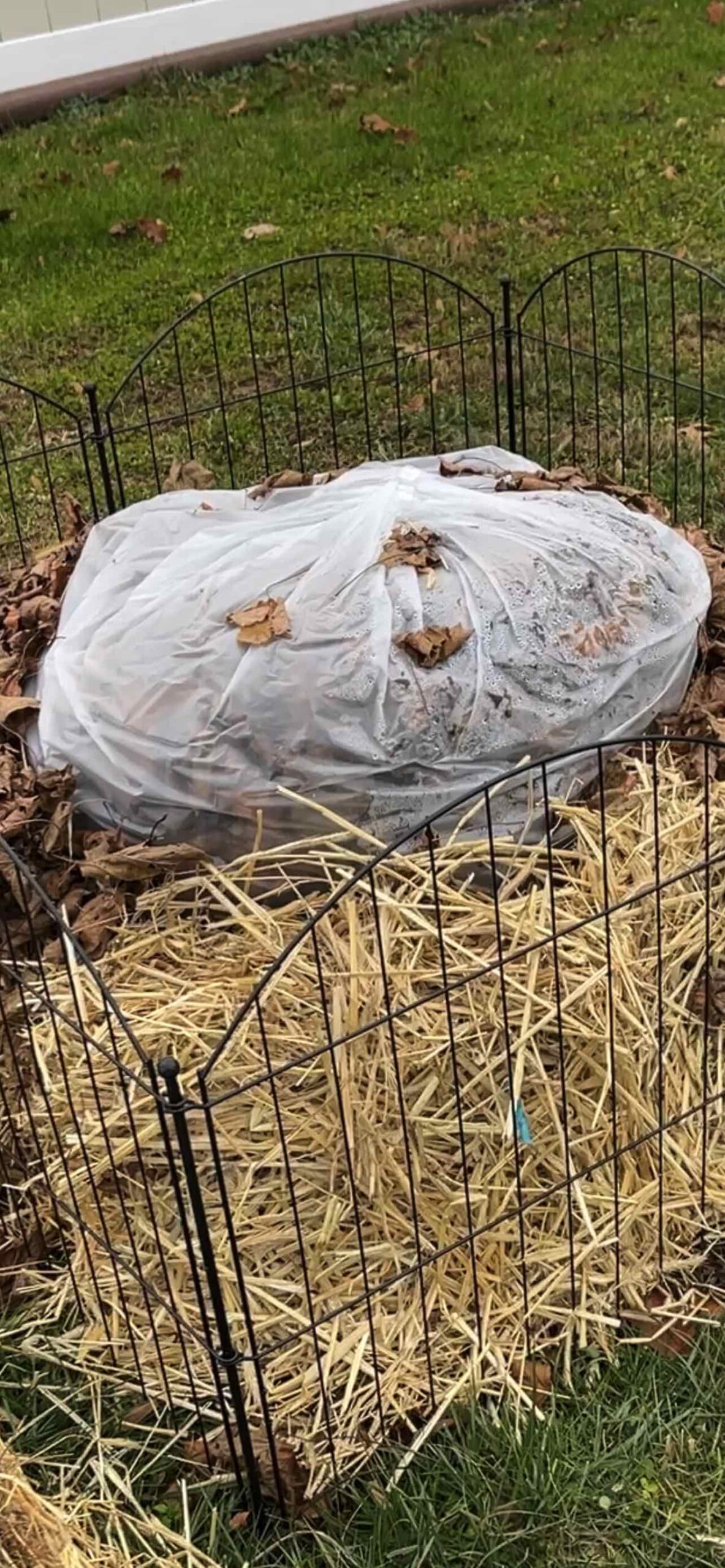
Under that plastic bag is a pruned Italian Honey (also known as Lattarulla) fig tree, all tucked in for winter. I filled the bag with dry leaves gathered from the property—every single one checked to make sure there wasn’t a trace of moisture. They were perfectly crisp and dry, just what I wanted. My plan…
-
Correct Fig Cutting Orientation
—
by
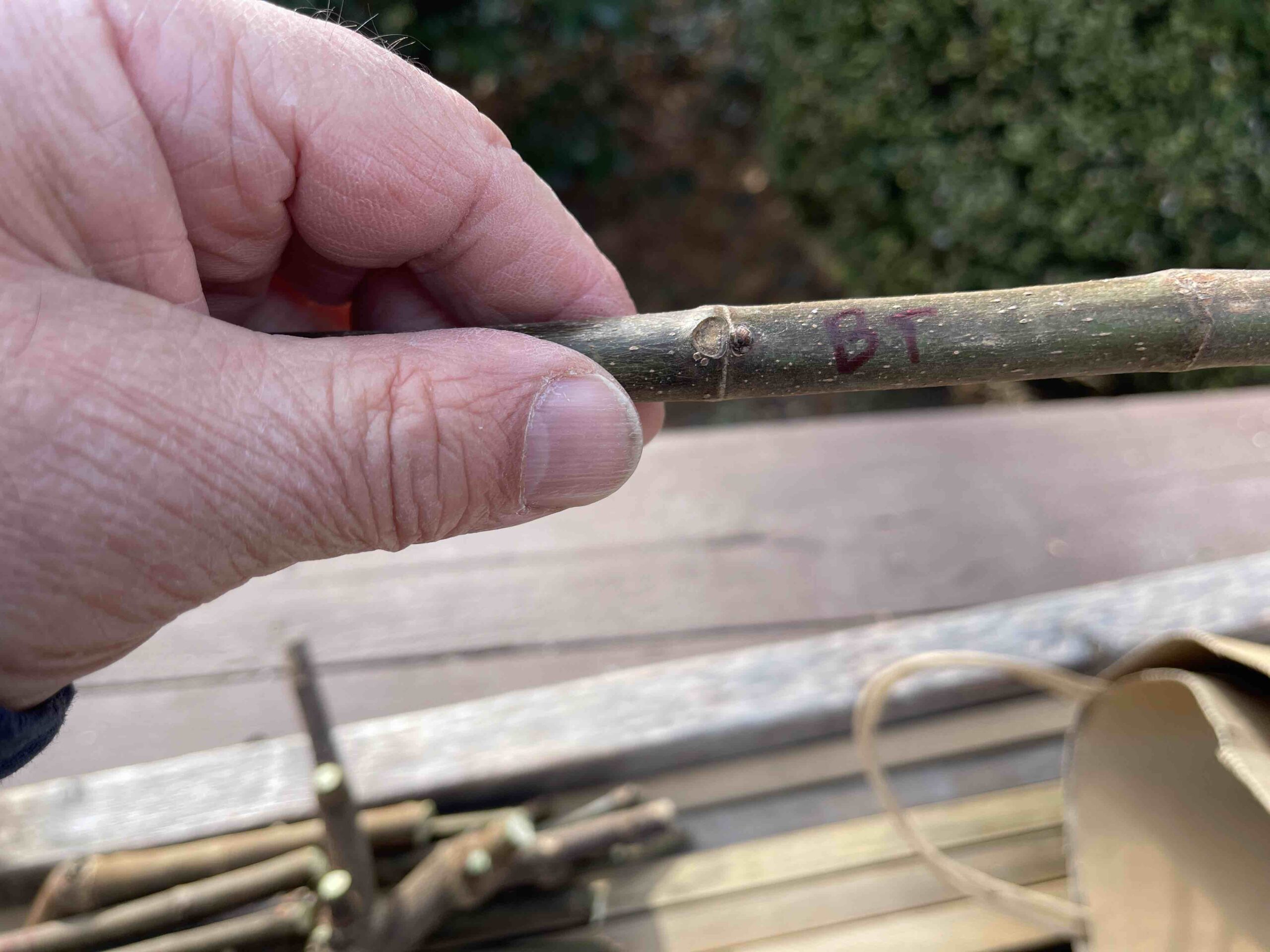
Every year, I root anywhere from 200 to 600 fig cuttings, and I must confess—no matter how careful I am, at least one of them ends up rooted upside down. Once a cutting starts growing that way, it becomes very tricky to fix. Can it be corrected? The answer is YES! However, in most cases,…