Category: Evan Panagiotopoulos
-
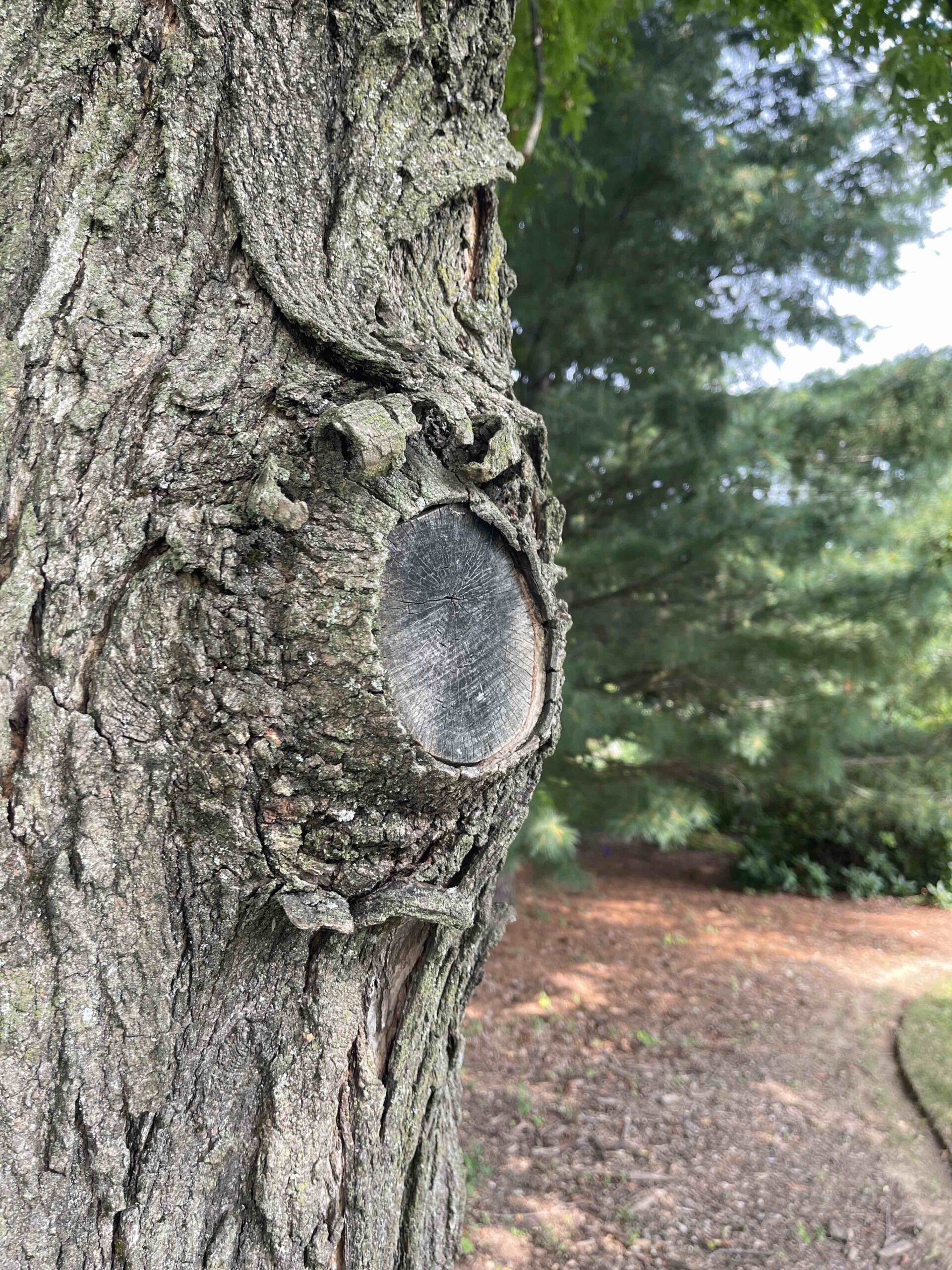
Correctly Pruning a Branch
—
by
One of our favorite ways to unwind is by visiting the Orange County Arboretum, a peaceful haven where we can stroll through winding paths surrounded by towering trees and vibrant blooms. It’s always a joy to spend time immersed in the quiet beauty of nature — such simple moments, yet so memorable. On our most…
-
Ambrosia Beetles Strike Three Potted Figs
—
by
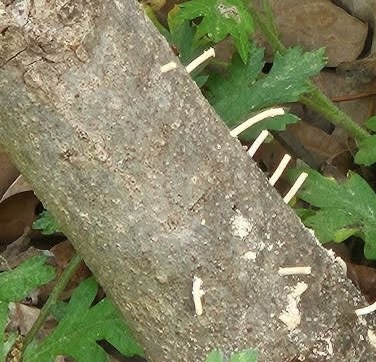
In the early spring of 2025, three lovely potted fig trees were stretching their limbs and yawning off winter, ready to burst into leaf. I was feeling pretty proud as a fig parent, honestly. But then, I noticed something… weird. Tiny noodle-like strands were poking out of the trunks. Not spaghetti. Not worms. It looked…
-
Green Portland Cuttings and New Friendships
—
by
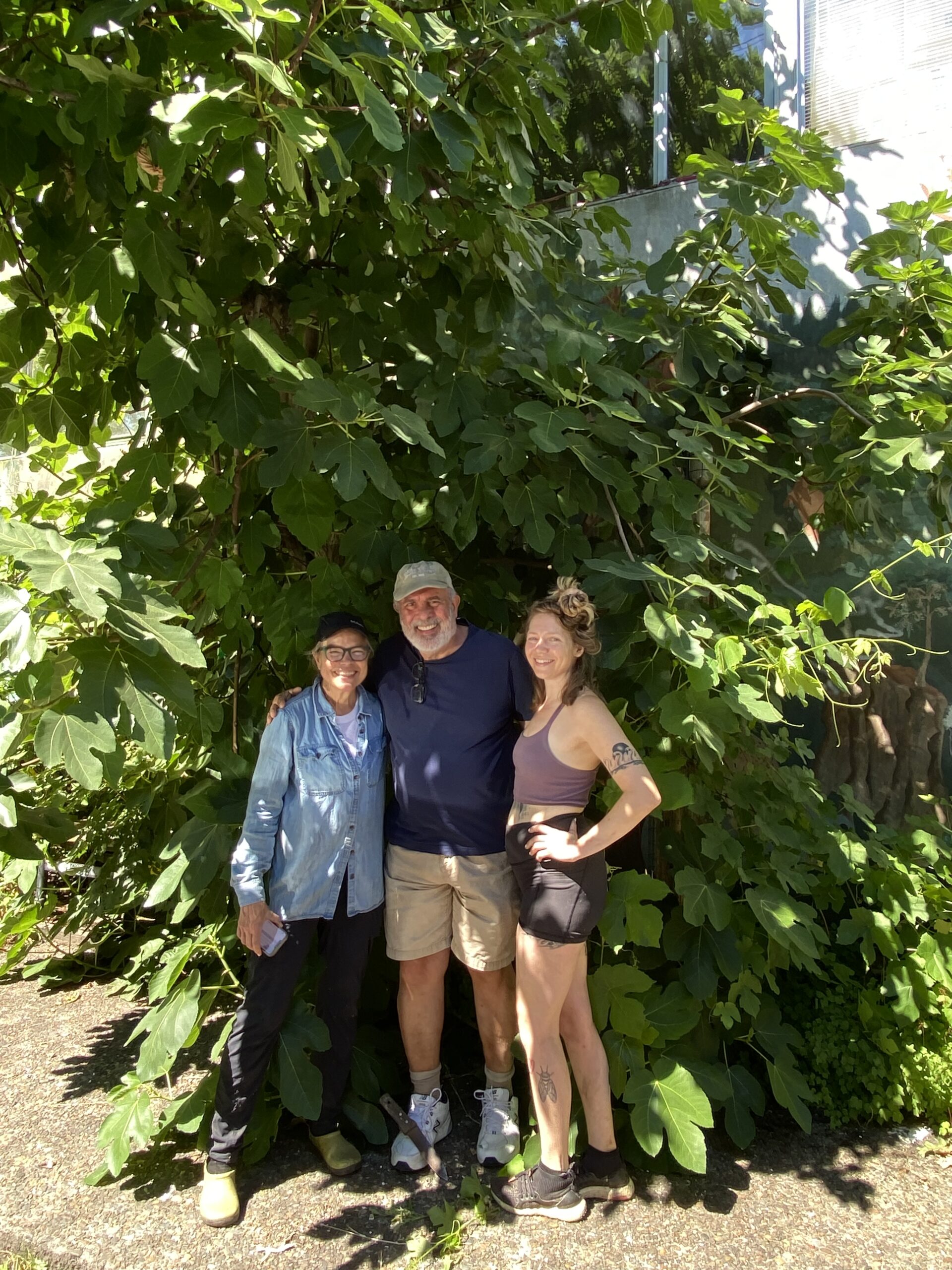
Let me tell you a story that’s been quietly ripening for about six years—like the best kind of fruit. It all began on a family trip to Portland, Oregon. We stayed at a cozy hotel nestled in a charming neighborhood, full of strollable streets and local shops. Just around the corner from where we stayed,…
-
Wallkill Library Program – Now Full!
—
by
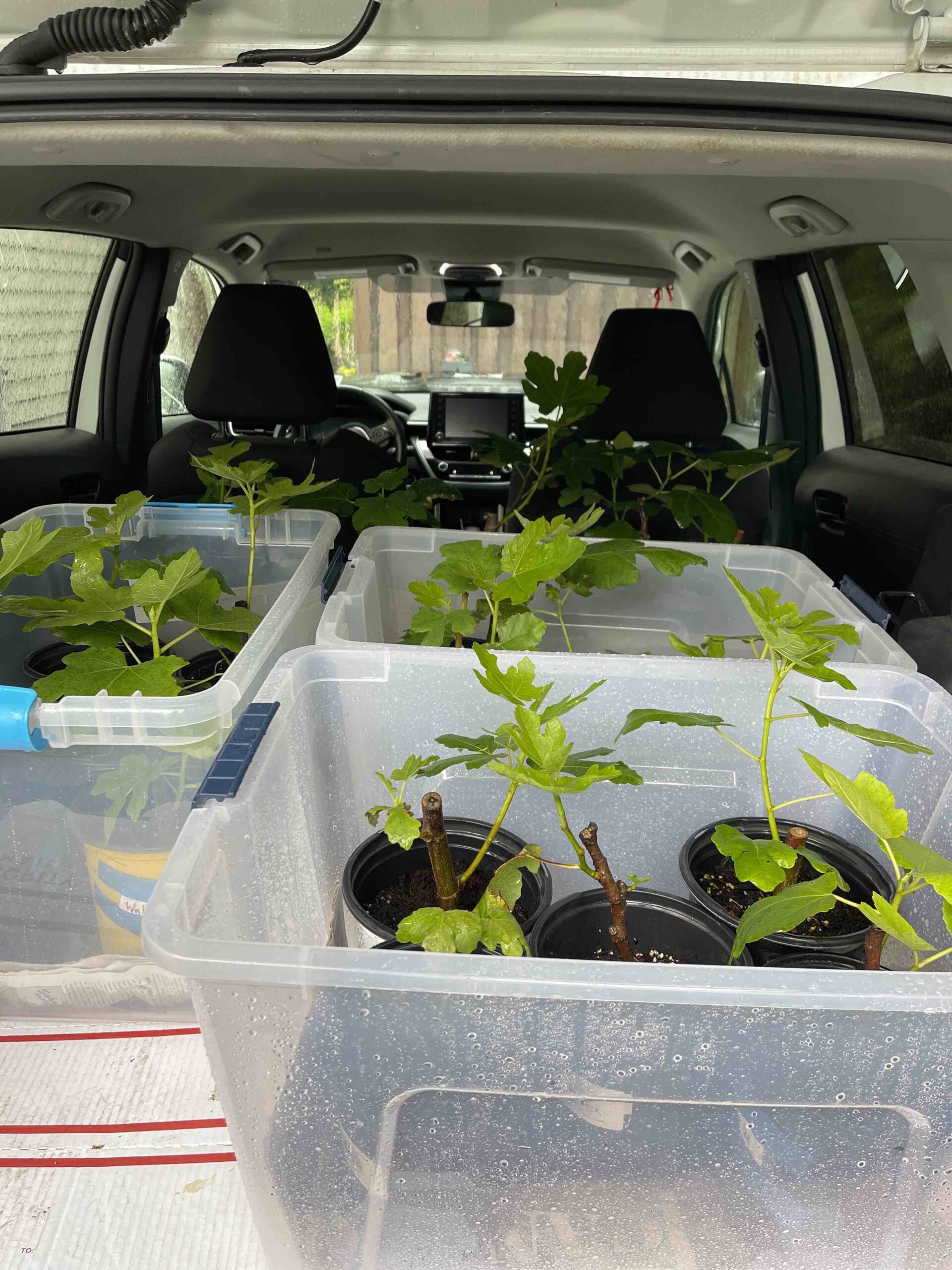
Throughout 2025, I had the pleasure of offering eight fig-focused programs to local libraries—and to my delight, every single one reached full capacity, with waiting lists quickly forming. This response has been incredibly rewarding on multiple levels. Not only does it confirm the growing interest in fig cultivation among library patrons, but it also validates…
-

Spread spent coffee grounds around your fig trees!
—
by
I recently blogged about NPK (Ref 1, Ref 2), which stands for Nitrogen (N), Phosphorus (P), and Potassium (K), the three essential nutrients that are the backbone of any good fertilizer. In fact, these three numbers on a bag of fertilizer represent the percentage of each nutrient, in that exact order. For instance, a 5-5-5…
-

Yes! There will be growth in the spring!
—
by
The title is a quote from movie Being There. Two nights ago, an online frost warning went out, and, always one to play it safe, I covered my nine planted fig trees with my concrete curing blankets. I wasn’t taking any chances, even though the temperature never dipped below 40°F—no complaints here, though! It’s always…
-

Prepping Rooted Cuttings for the Monroe Free Library Program
—
by
Yes, the moment has finally arrived! The long-awaited Fig Cultivation Program is set to bloom at the Monroe Free Library—and we’re ready to dig in (quite literally)! Each little figgy has been thoughtfully prepared: the bottom of every cup has been carefully removed, and the young plants have been gently coaxed out from their temporary…
-
Where There’s a Will, There’s a Way
—
by
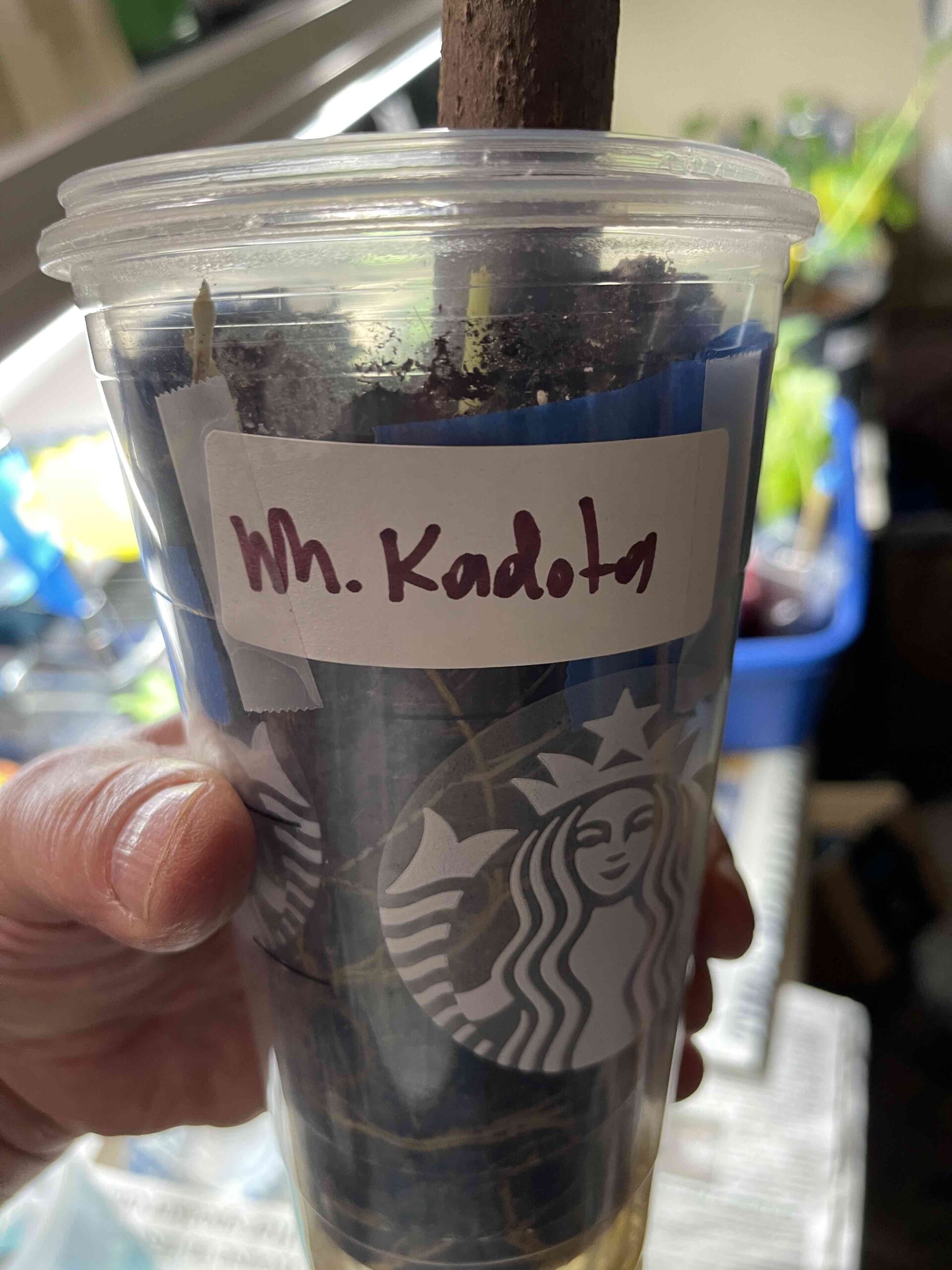
Not too long ago, I wrote a blog post about two White Kadota fig cuttings that were generously gifted to me by a kind and thoughtful person. One of the cuttings was absolutely thriving—its growth looked fantastic—but the top node of the other one had a slightly dry appearance, which concerned me a bit. Undeterred,…
-
After Five Months Col de Dame Noir Shows Roots
—
by
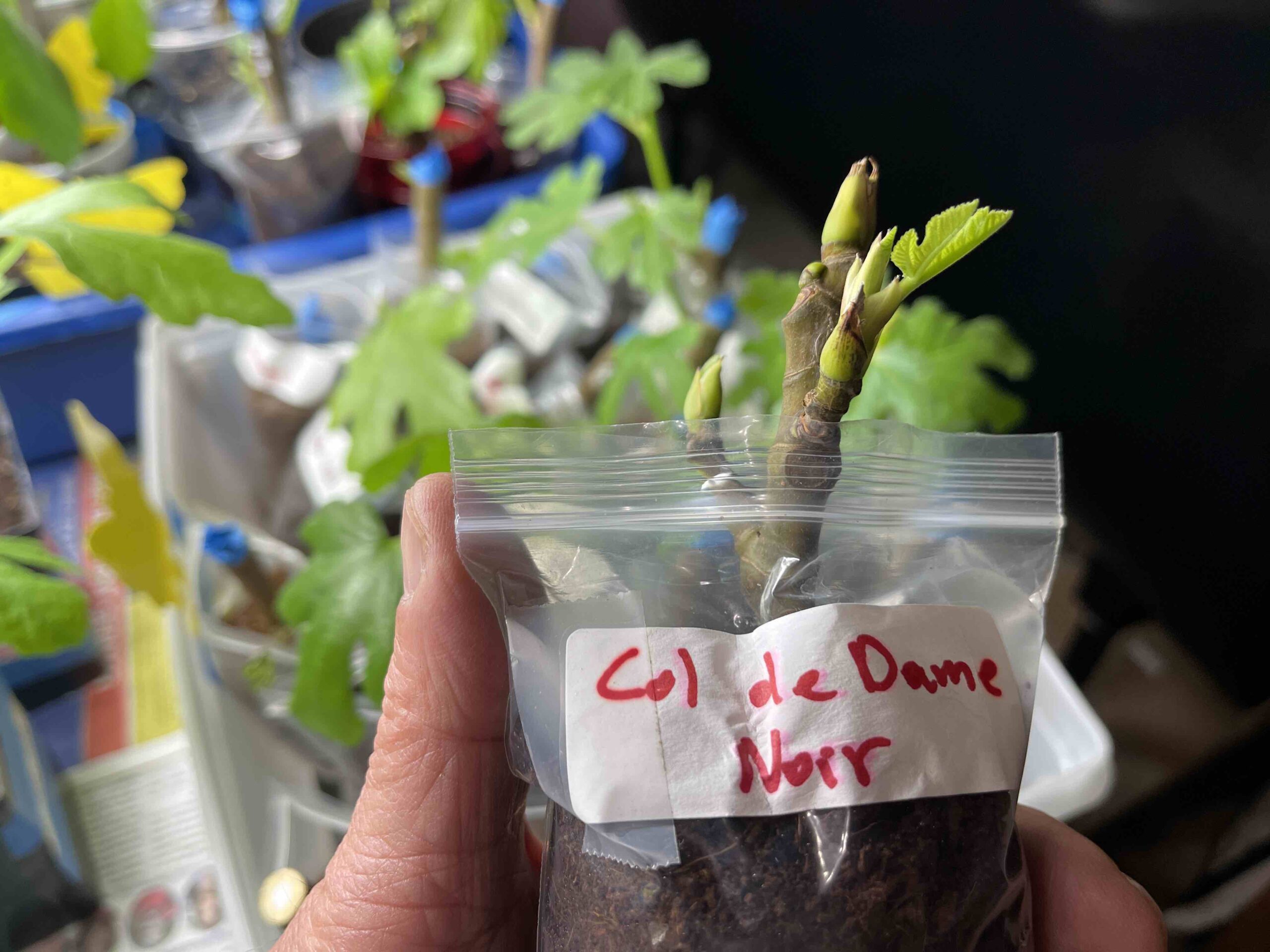
Good golly, Miss Molly, you sure know how to drive me absolutely bonkers! After five long months, this cutting has FINALLY rooted. Sometimes, rooting cuttings feels like watching elephants mate—it’s a slow, painstaking process, to say the least. Of course, you can never be certain what’s happening beneath the surface of the rooting medium. Maybe,…
-
The Benefits of Whitewashing Your Fig Trees
—
by
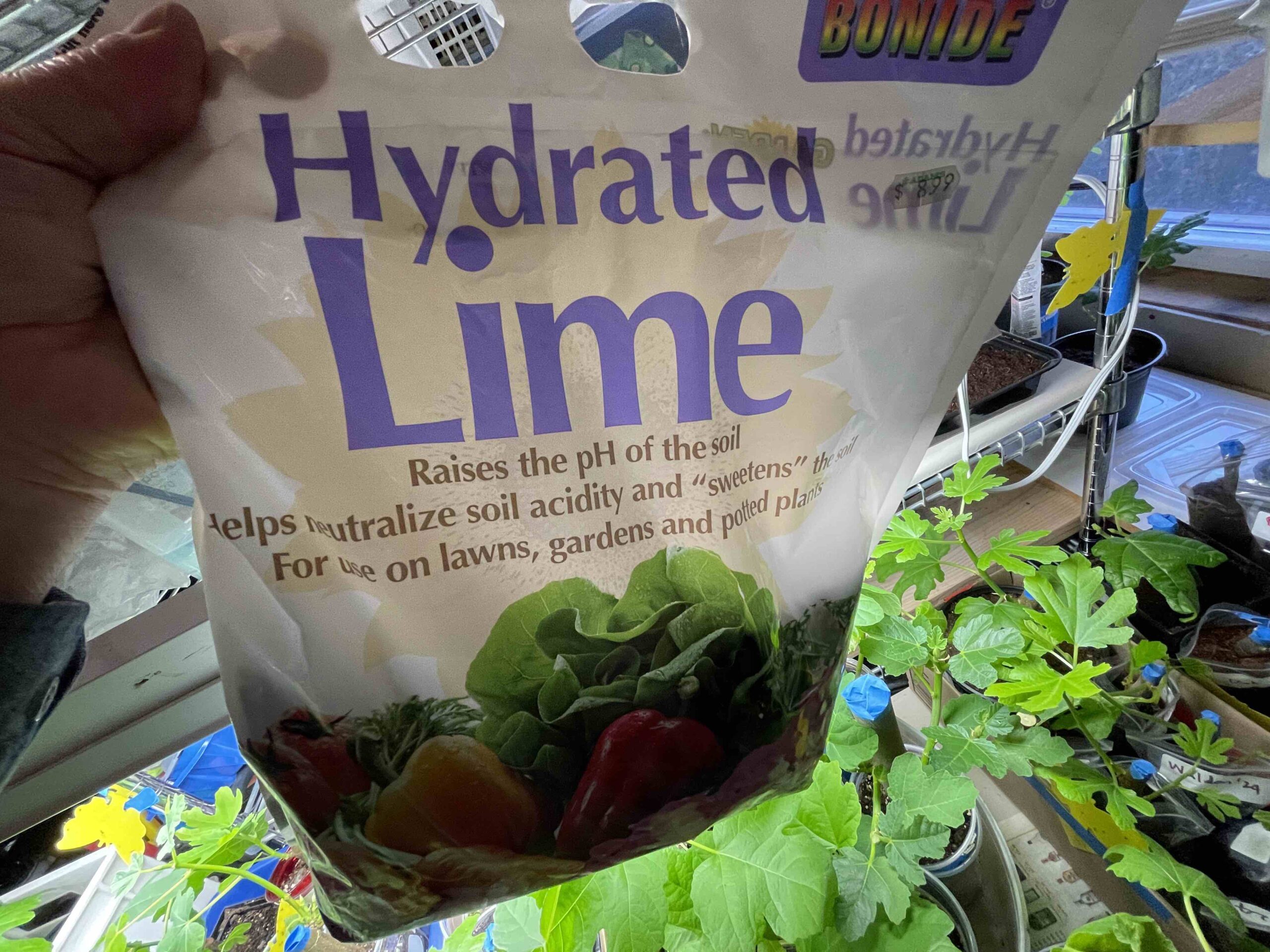
Whitewashing fig trees, typically by applying a diluted white paint or a natural lime-based solution to the trunk and lower branches, provides several benefits: Prevents Sunscald – The white coating reflects sunlight, reducing the risk of sunburn on the tree’s bark, which can cause cracks, tissue damage, and increased susceptibility to pests and diseases. Regulates…