
Category: Winterizing Figs
-
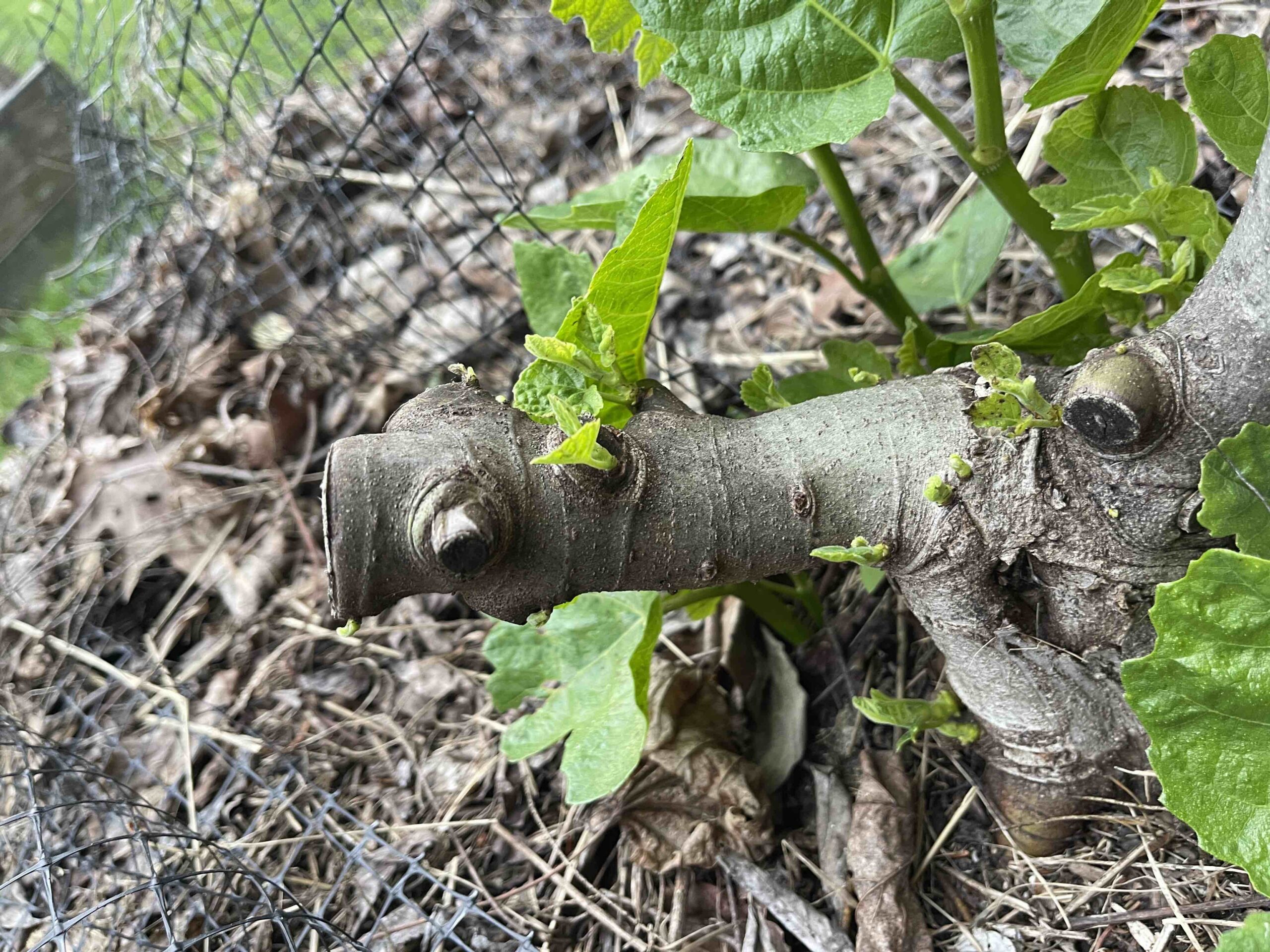
Fig Winterization Results – Zone 6b, NY
In my own backyard, I use this exact same winterization method on all of my in-ground fig trees because, quite simply, it works. Over the years, it has proven to be reliable, practical, and effective against our unpredictable Hudson Valley winters. That being said, fig trees have personalities of their own. Some wake up early…
-
Planted Fig Trees are Waking up in the Spring – 2026
Setting the tone: The 2026 New York winter was long, cold and snowy. I live in Orange County, New York, and in late 2025 I winterized all eight of my in-ground fig trees. Over the years, I’ve settled on a method that has served me well. I use the same process for every tree because…
-
Unwrapping an Italian Honey Fig Tree in Zone 6b
Zone 6b, Mid-Hudson Valley, NY, USA. In late November 2025, I winterized an Italian Honey, Lattarula, fig tree for friends in Orange County, New York. I documented the process because I was concerned that trapped moisture under the protective covering might damage the tree over winter. On April 10, 2026, I returned for the unveiling,…
-
Where Fig Trees Wake Up to My Singing
Tomorrow’s sky will be gray and quiet, but the afternoon will bring a small gift of warmth. The temperature is expected to climb to about 52°F around 2 p.m., which in early March feels almost generous. After a late breakfast, I’ll wander out to the Figgy Shed (Ref. 1, Ref 2) to check on the…
-
The Shed Test: Winter Victory for My Potted Figs
Zone 6b, Mid-Hudson Valley, NY.Investing the time to insulate the shed was absolutely worth it. Every single potted fig made it through the brutal New York winter, snow, ice, and all. We endured several nights when temperatures plunged below zero degrees Fahrenheit, the kind of cold that makes you question every gardening decision you’ve ever…
-
A Cozy Winter Home for Your Potted Fig
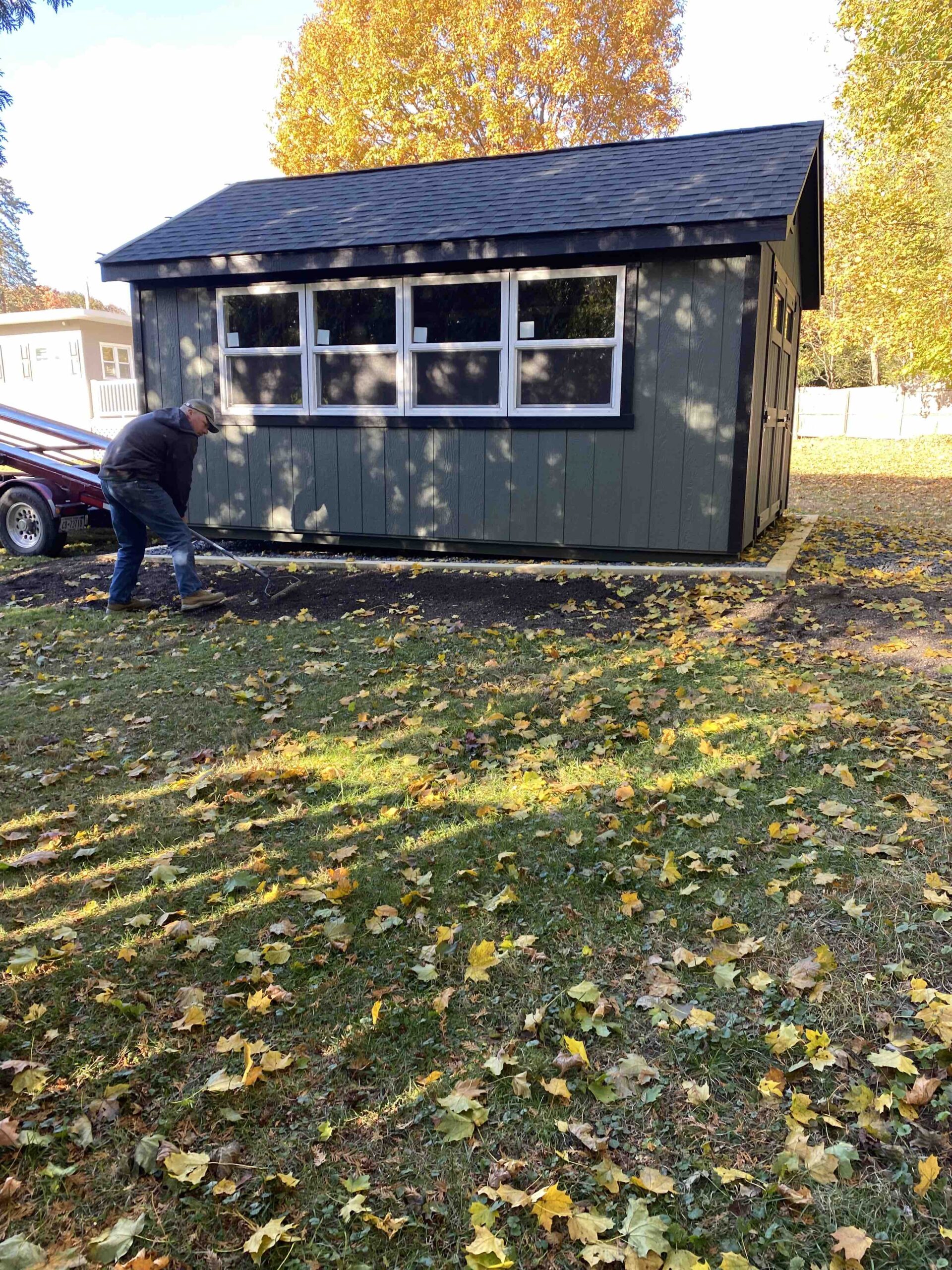
I can’t tell you how many times I’ve read people’s posts on social media saying they can’t winterize their potted fig(s) because they don’t have a garage, cellar, or shed. My answer is always the same: keep it simple and get a little creative! Take a look at this photo I snapped of the side…
-

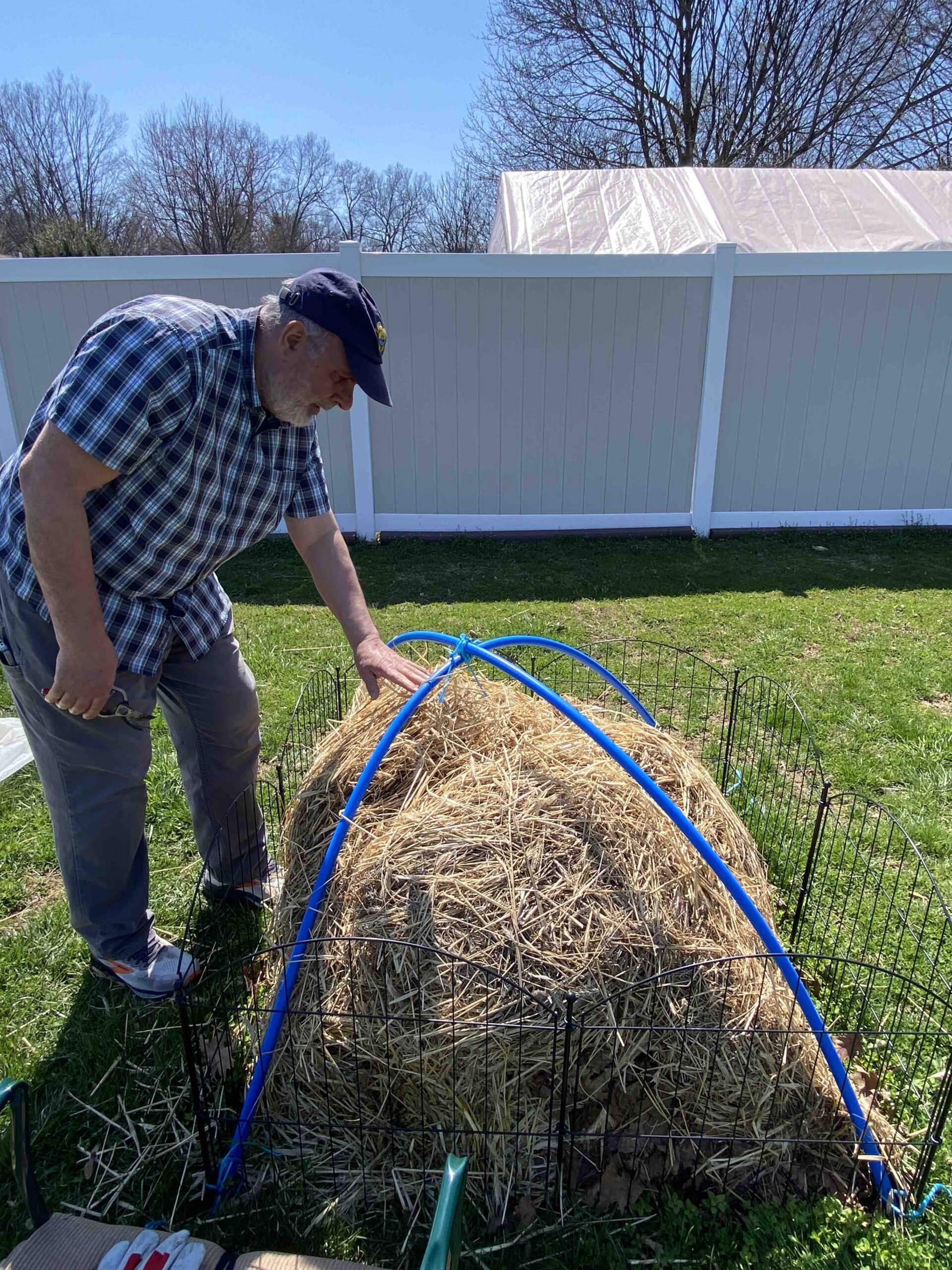
A Novel Approach to Fig Tree Winter Protection
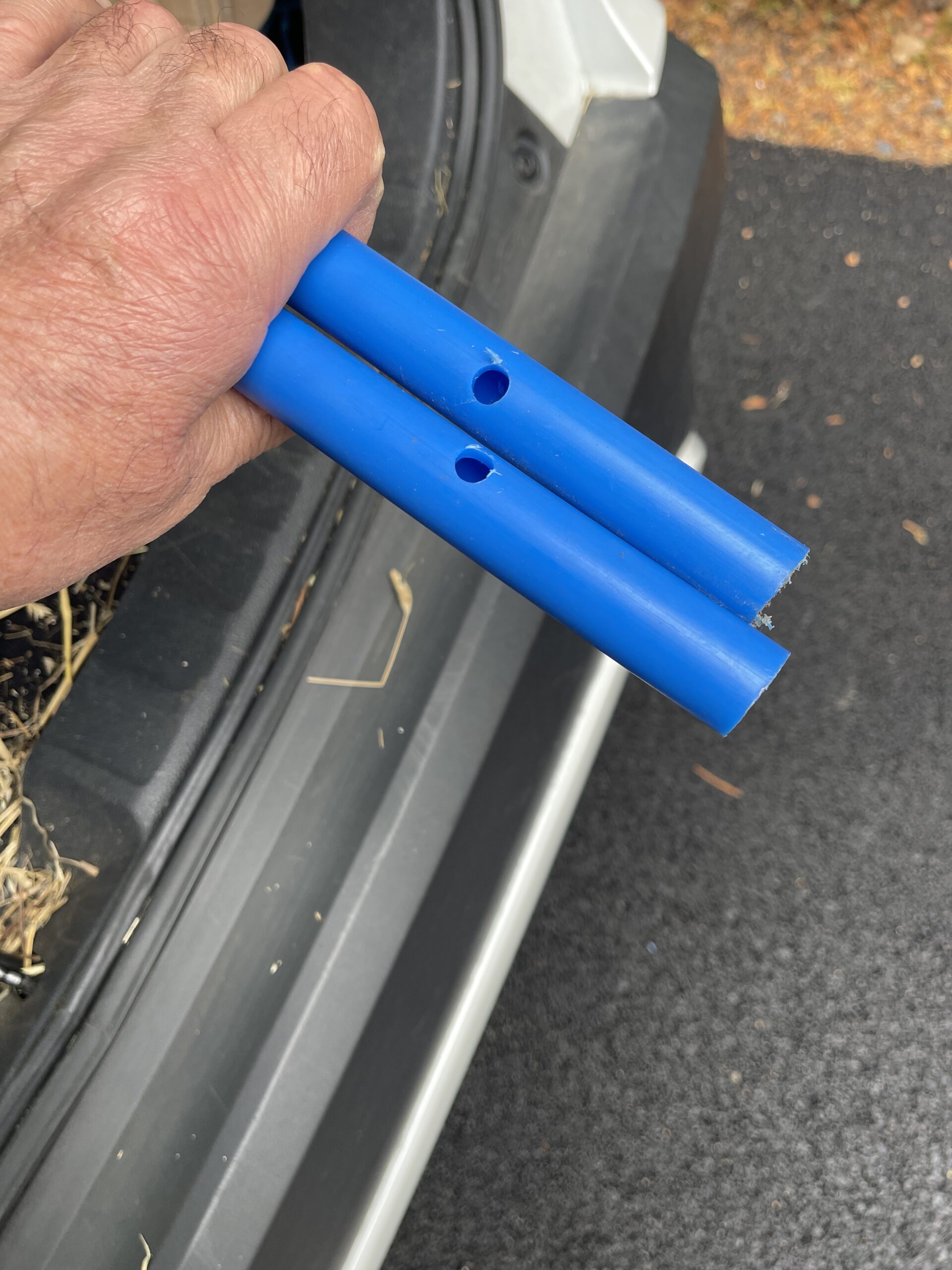
Materials you will need: twine, PVC pipes, two for each bed, a hacksaw to cut the PVC pipes to length, also you will need a drill to mae the necessary four holes for each bed. You can easily pick up PVC pipes at your local hardware store. The raised bed I was working on measured…
-
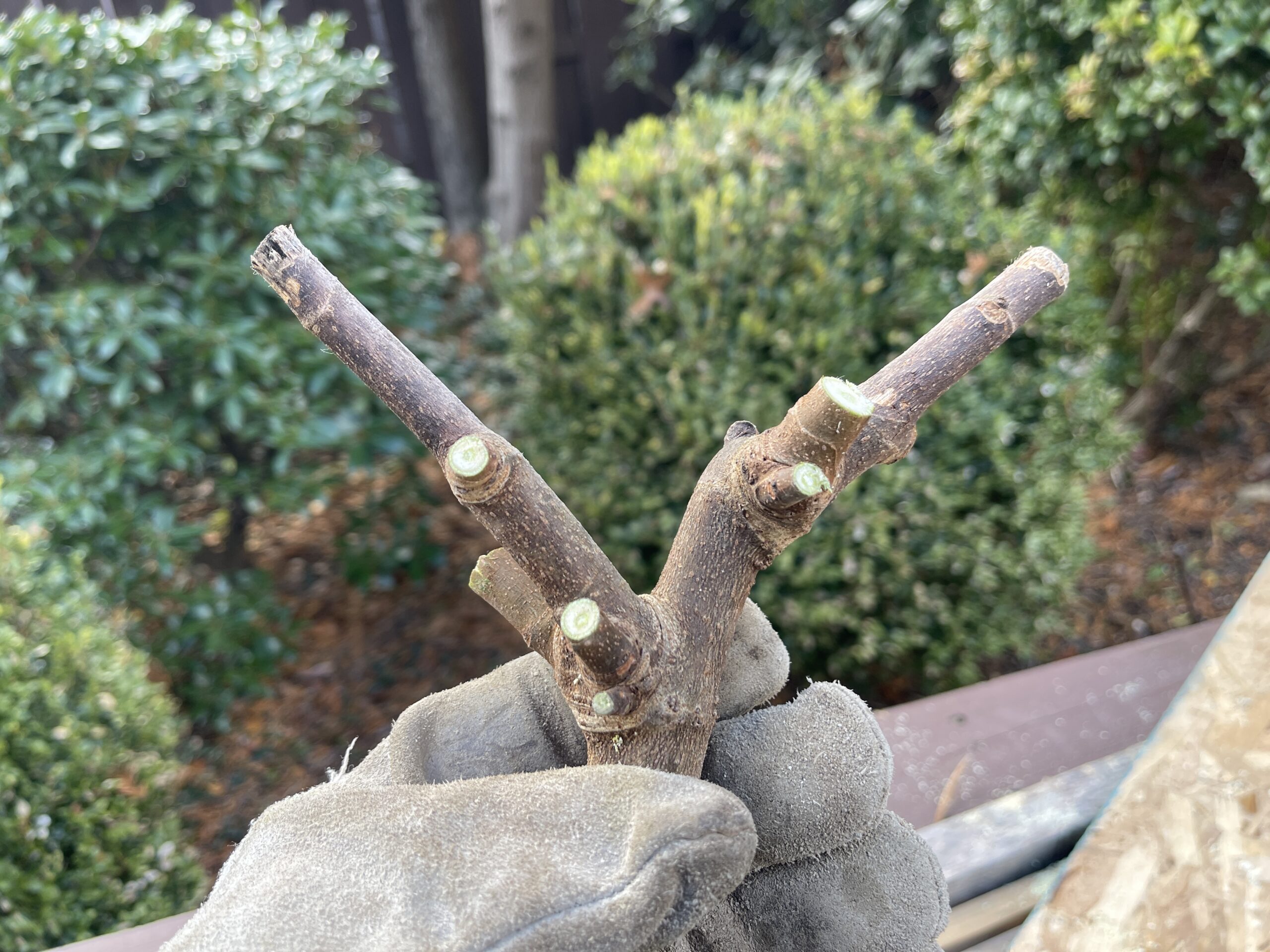
Fig Cuttings with Character
It’s late November here in Zone 6b (Mid-Hudson Valley, NY), and my fig trees have finally gone fully dormant—perfect timing for pruning. As always, trimming day means a bounty of cuttings, and I’m constantly on the lookout for ones that stand out in some special way. The thick cuttings are always my favorites—they root more…
-
Moisture: The Hidden Threat When Winterizing Fig Trees
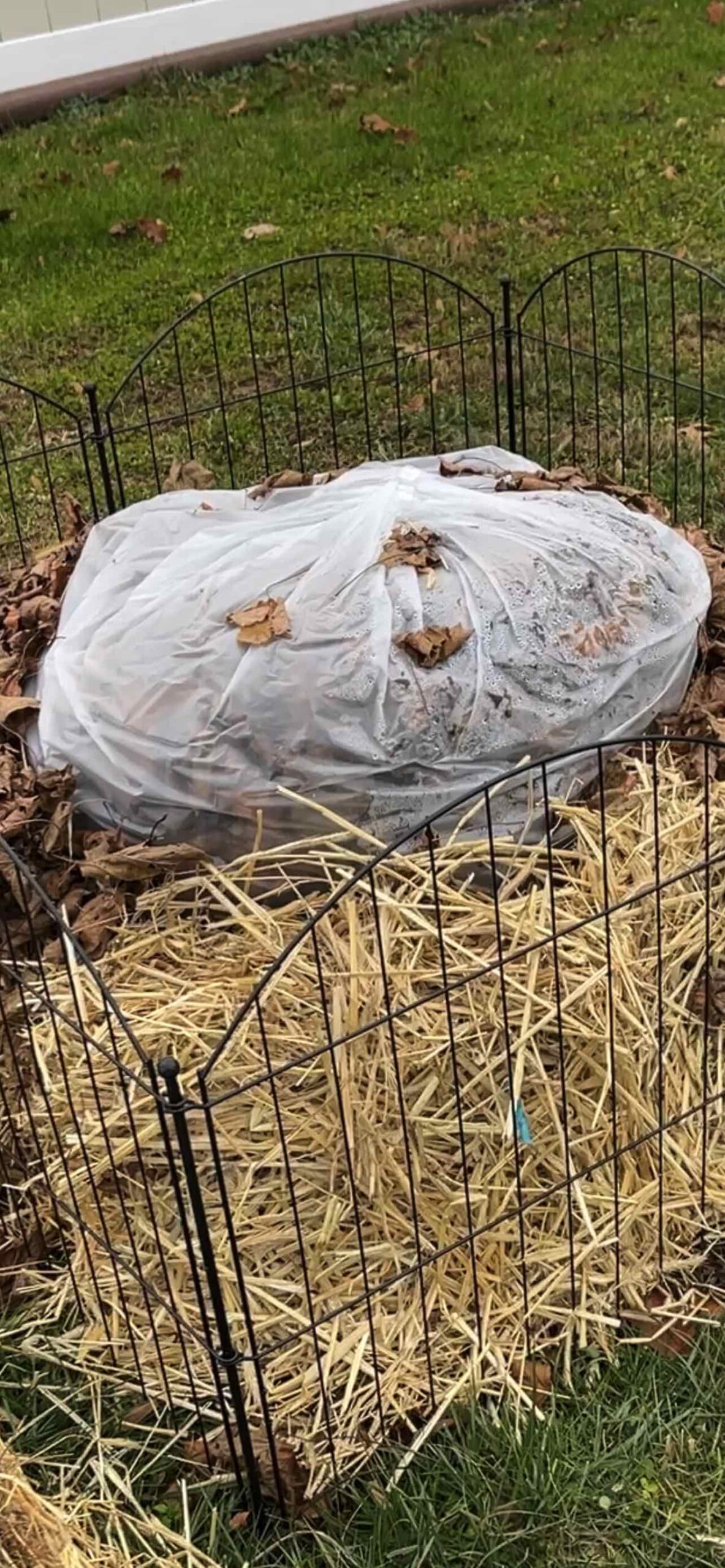
Under that plastic bag is a pruned Italian Honey (also known as Lattarulla) fig tree, all tucked in for winter. I filled the bag with dry leaves gathered from the property—every single one checked to make sure there wasn’t a trace of moisture. They were perfectly crisp and dry, just what I wanted. My plan…
-
Correct Fig Cutting Orientation
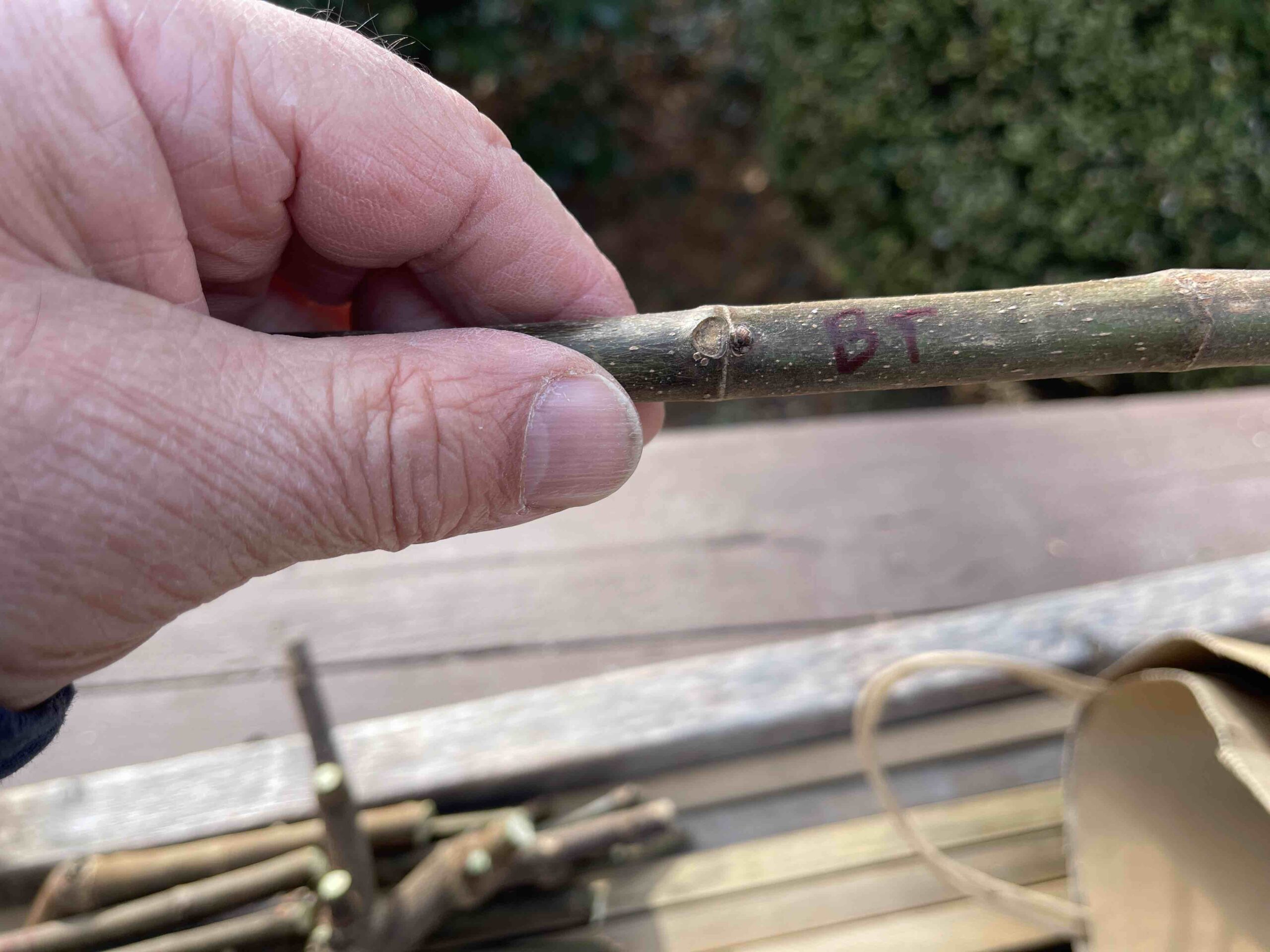
Every year, I root anywhere from 200 to 600 fig cuttings, and I must confess—no matter how careful I am, at least one of them ends up rooted upside down. Once a cutting starts growing that way, it becomes very tricky to fix. Can it be corrected? The answer is YES! However, in most cases,…