Category: Rooting Fig Cuttings
-
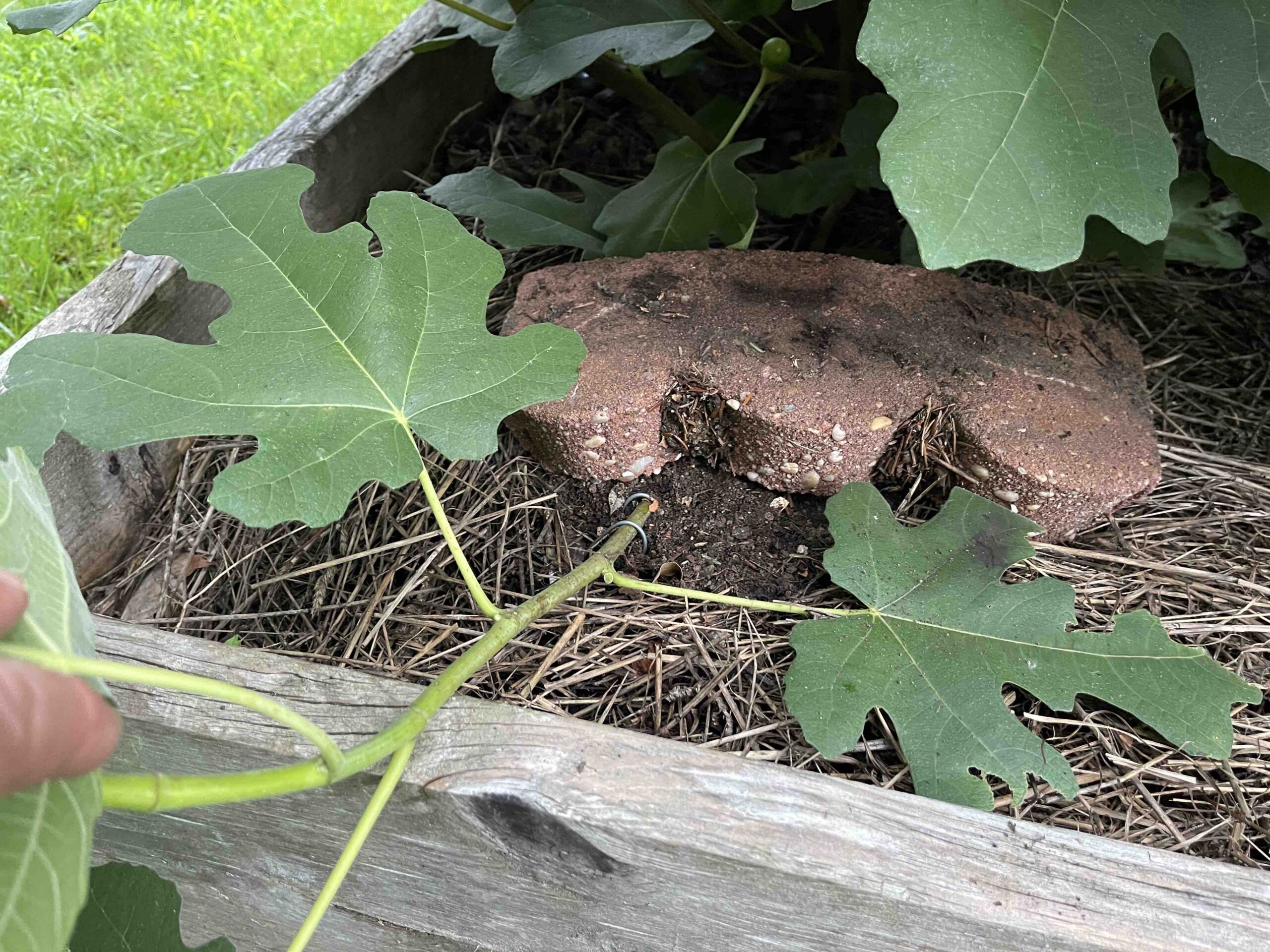
8/17/2016 – Ground/Simple Layering
Every year as I do the fall pruning I find a few low laying branches on each tree that have touched the ground and have grown roots. Every year, I make a note about this, and then, the following year, I always forget to look at my notes. This year I’m getting smarter as I…
-
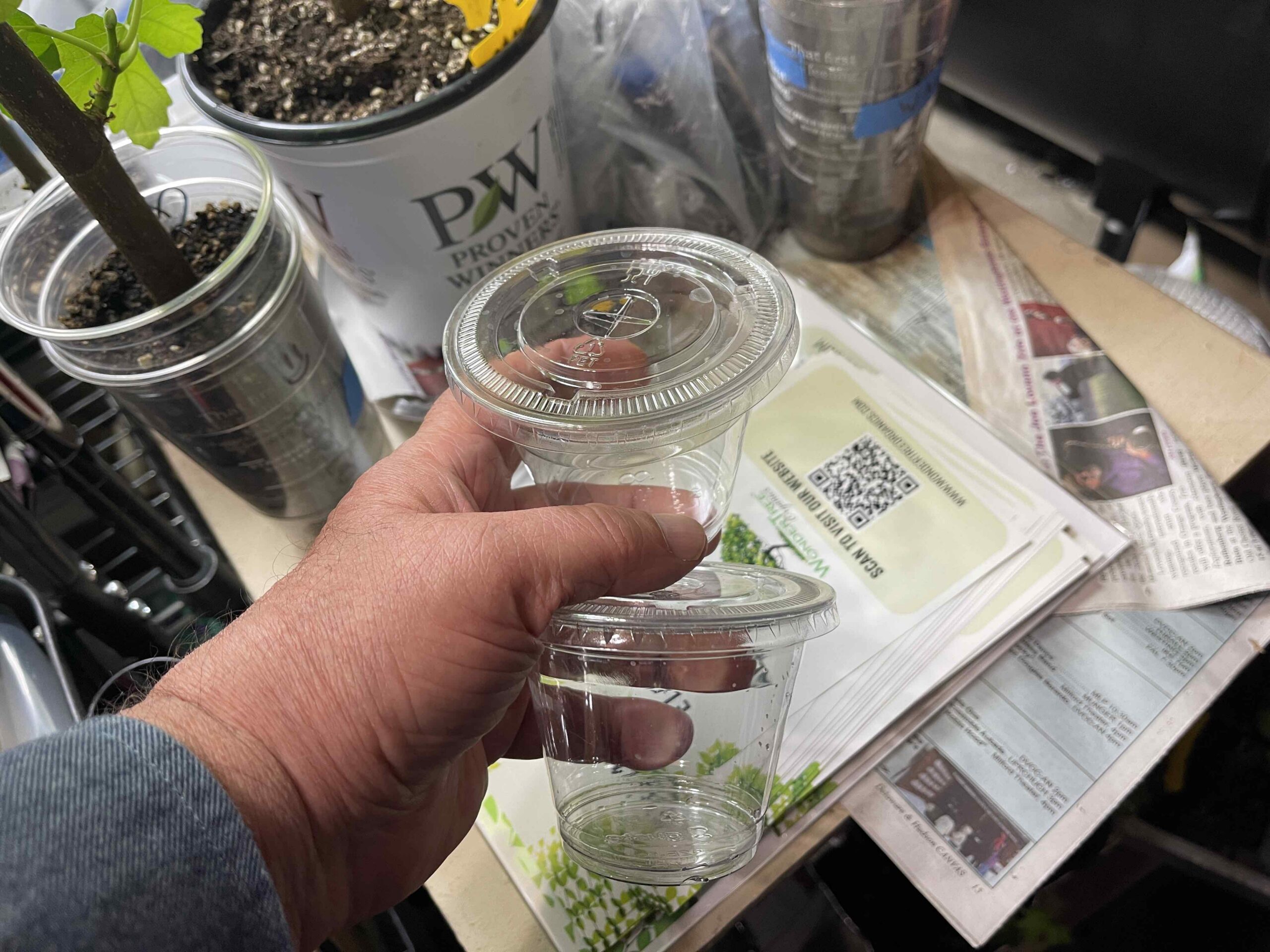
Preparation Will Reward Your Air Layering Endeavor
Ah yes, the shining armor of your creation. Wrap it around the entire structure to shield it from the harsh sun, reflecting light and heat like a guardian watching over a fragile secret. Beneath that humble foil, roots will quietly form well protected from the sun’s rays. Do all of this ahead of time, and…
-
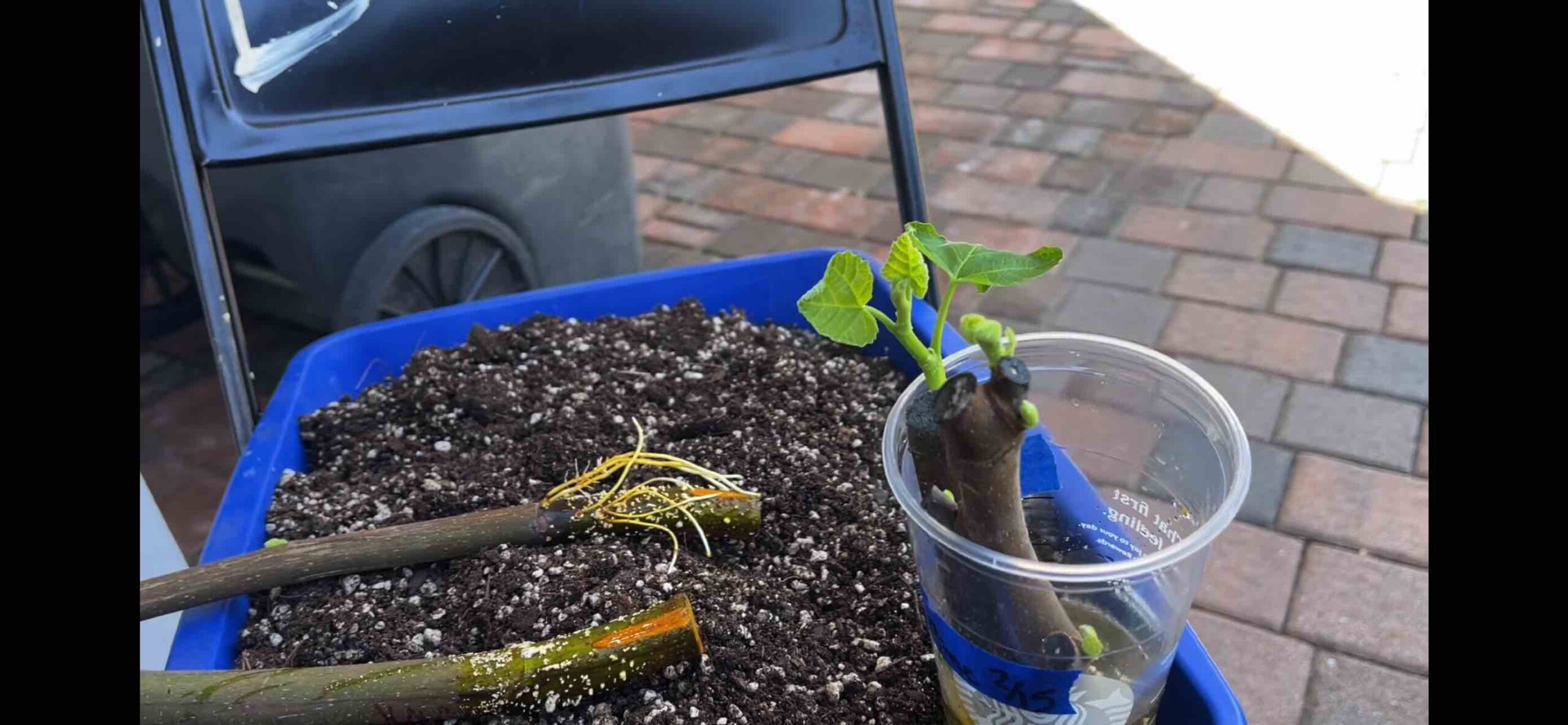
A Tale of Four Cuttings and a Linguistic Lesson
Today I’m proudly announcing a brand-new addition to the English dictionary: “Lotsaroots” (lots-a-roots). A highly technical, horticultural term meaning a cutting that has produced an impressive, borderline show-off amount of roots. Zone 6b, Mid-Hudson Valley, NY. Attached you will find the link to a YouTube video. In this video, I’m showing four fig cuttings that…
-
Serious Fig Growers Keep Records — Here’s Why
As someone who’s rooting hundreds of cuttings at a time, I already know this: my memory is not a reliable gardening tool. Documenting everything when rooting fig cuttings isn’t busywork, it’s how you turn experience into mastery because every cutting is an experiment. You should document: Eliminate Guesswork Have you ever ask yourself: “Did I…
-
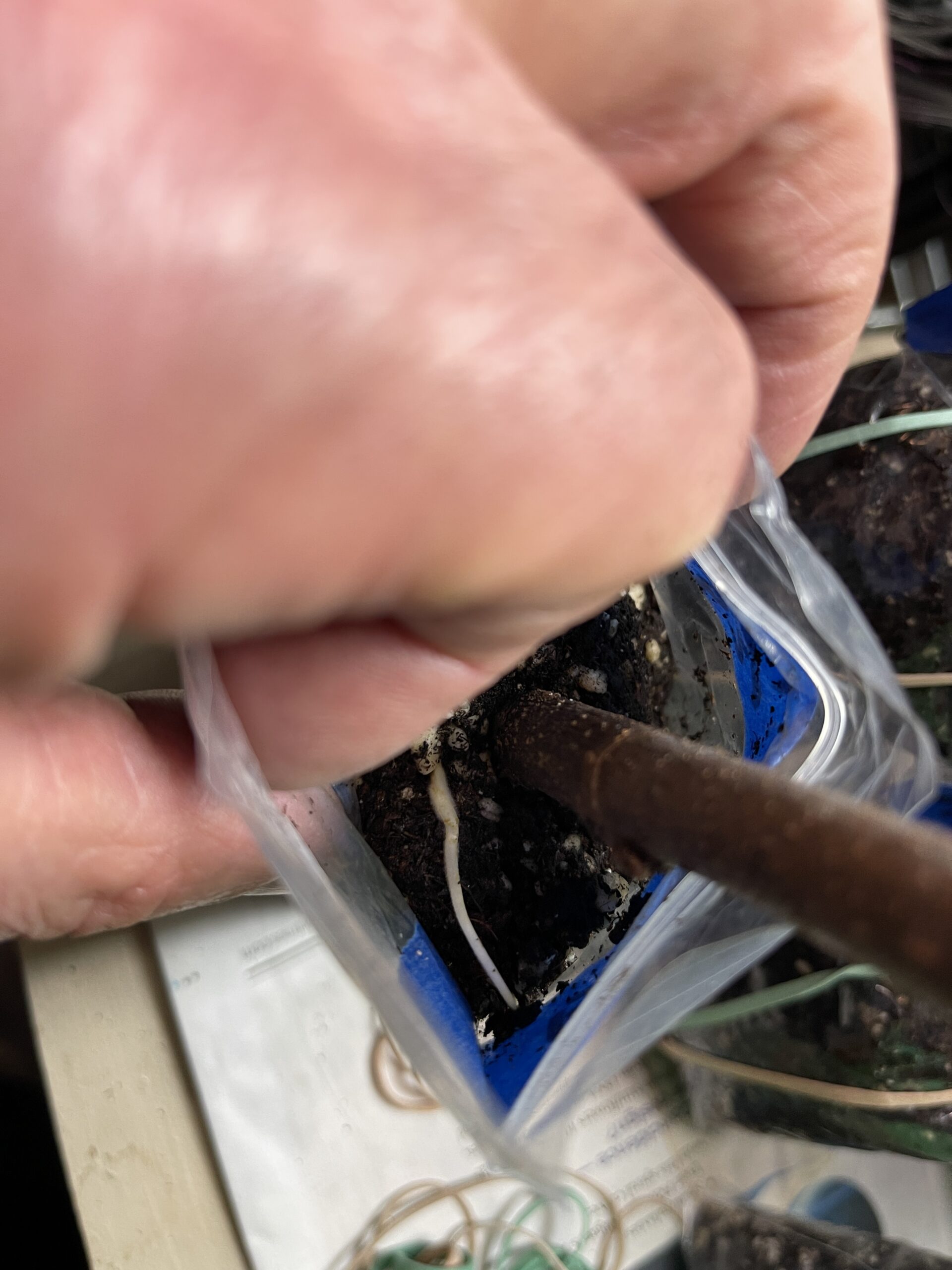
When Figs Break the Rules: The Case of the Top Root
Every year when I root fig cuttings, I use a variety of methods. Call it experience… or call it paranoia. I simply can’t bring myself to rely on just one technique, because I’m always worried that by choosing a single path I might somehow limit the cutting’s potential. So I hedge my bets and I…
-
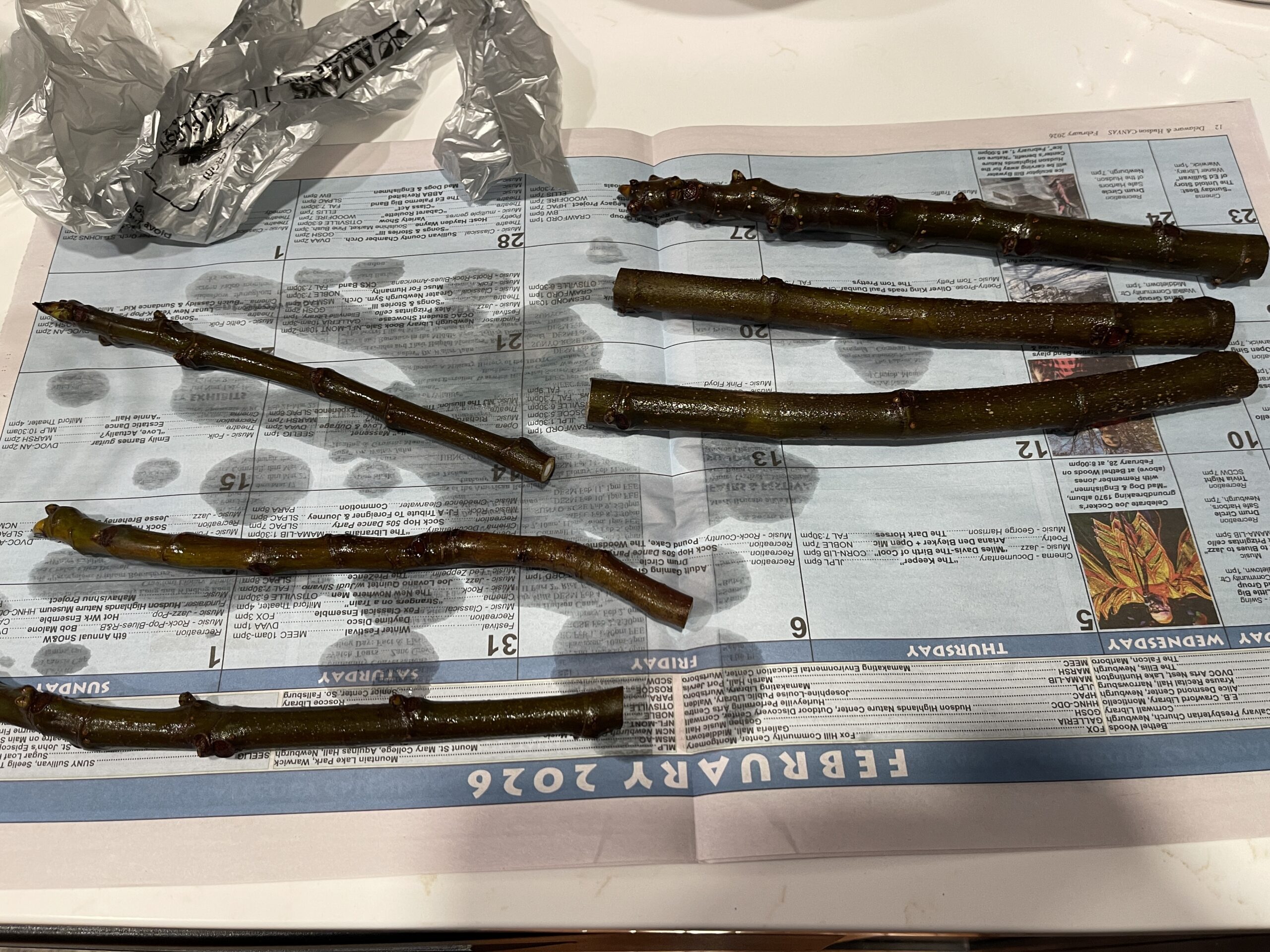
White Adriatic Fig Cuttings: Arrival and Next Steps
The White Adriatic fig tree is an ancient, hardy cultivar originating from the Mediterranean region and has been widely cultivated since Roman times. I have been wanting this variety for a while now. It is a popular, self-fertile, and vigorous fig tree (Ficus carica) known for producing heavy crops of green-skinned fruit with an intensely…
-

The First Steps to Successfully Rooting Fig Cuttings
Rooting figs is simple, rewarding, and a little bit magical. Here’s how I begin the process: [Using Frank Costanza’s voice] Keep on rooting, baby! If you’d like to reach out to me privately, please use the contact form on this site. Subscribe to receive blog updates by email. Stay tuned, keep on rootin’ and happy…
-
Oops!… I Did It Again — Two More Smith Fig Cuttings
The two Smith fig cuttings, recently purchased on January 22nd, arrived in good shape, though they were unfortunately frozen. I carefully washed and gently scrubbed them with water and a bit of dishwashing soap. Then, I lightly scored the bottom of the cuttings and placed them together in a transparent cup filled with plain water…
-
Don’t Just Cut—Help the Tree Heal
When you prune a tree, it’s often said that you should seal the wound to protect it from future damage. While there are certain pruning cuts that, given time, will heal themselves naturally, many gardeners still believe in giving the tree a little extra help. Not too long ago I blogged about trees properly healing…
-

The Secret to Happy Fig Cuttings: A Little Pampering
When you take a fig cutting, you’re not starting from zero. That piece of wood contains stored carbohydrates (starches and sugars) that the mother tree packed away during the growing season. Think of it like a built-in lunchbox for the cutting. What that stored energy does Before a cutting has roots or leaves, it still…