Zone 6b, Mid-Hudson Valley, NY, USA.
In late November 2025, I winterized an Italian Honey, Lattarula, fig tree for friends in Orange County, New York. I documented the process because I was concerned that trapped moisture under the protective covering might damage the tree over winter.
On April 10, 2026, I returned for the unveiling, time to remove the layers and let the sun hit this Italian beauty again. Here’s how the tree was protected:
The fig sat inside a 4′ x 4′ decorative wire fence, about two feet high, a simple setup I liked enough to use with my own fig trees.
All branches were pruned back to two or three nodes, with most cuttings saved for propagation.
Dry leaves were packed around the base with emphasis on dry, which is critical.
A large plastic bag filled with dry leaves was placed on the tree, with the opening at the bottom. I punched 4–5 holes near the top to allow moisture to escape, since even dry leaves hold some residual moisture.
The entire structure was then surrounded with the slices of a full bale of straw. You can often find discounted bales locally, but expect to pay around $8–$10. I’ve had great luck sourcing mine from Hoeffner Farms in Montgomery, NY.
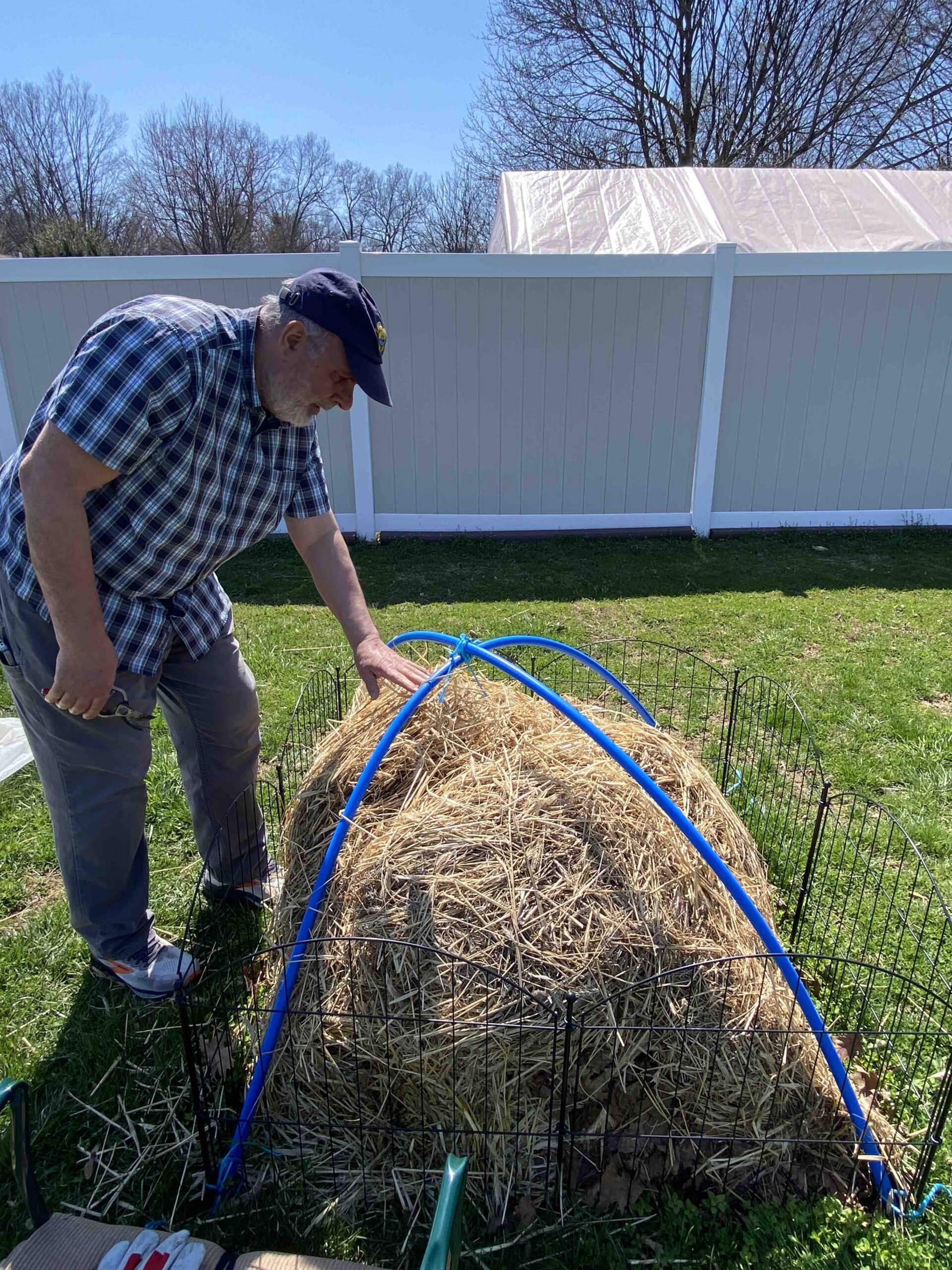
For support, I ran two PVC pipes diagonally across the fence, forming an “X.” Each end was drilled and tied to the fence using twine from the straw bale, reduce, reuse, recycle. The pipes were also tied together at the top to prevent collapse under snow load.
Finally, a tarp was draped over the frame and secured at the base with 2″ x 4″ scrap wood to keep it in place during winter winds.
In short, the tree was protected by:
- Dry leaves
- A ventilated plastic barrier
- Straw insulation
- An air gap
- A weatherproof tarp
Simple, effective, and, most importantly, ready for its spring debut.
Below is the video from when I winterized this Italian Honey tree.
The winter of 2025–2026 was not an easy one, many, many nights dipped below 32°F, with little sun to speak of. I often thought about this baby fig. At times, it felt like the longest winter on record, though that wasn’t actually true, it just felt that way.
One glorious day in mid-April 2026, we had the unveiling. Unfortunately, I don’t have a photo of the tree with the tarp still on.
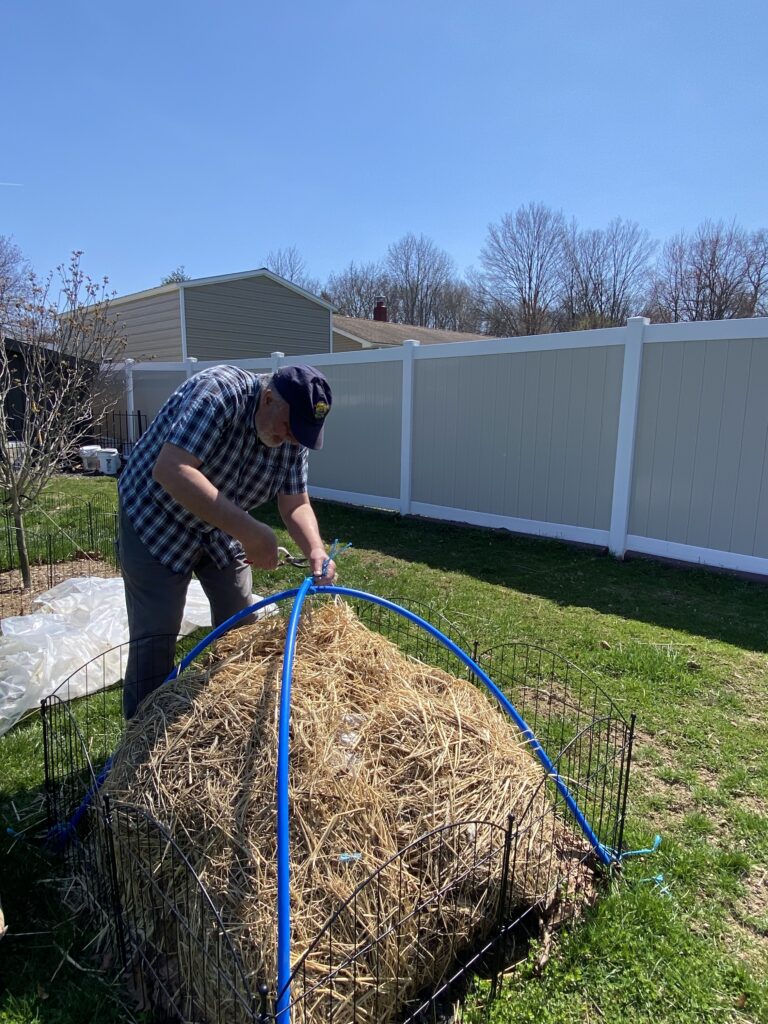
Here we are, the owner and I, removing the various layers.
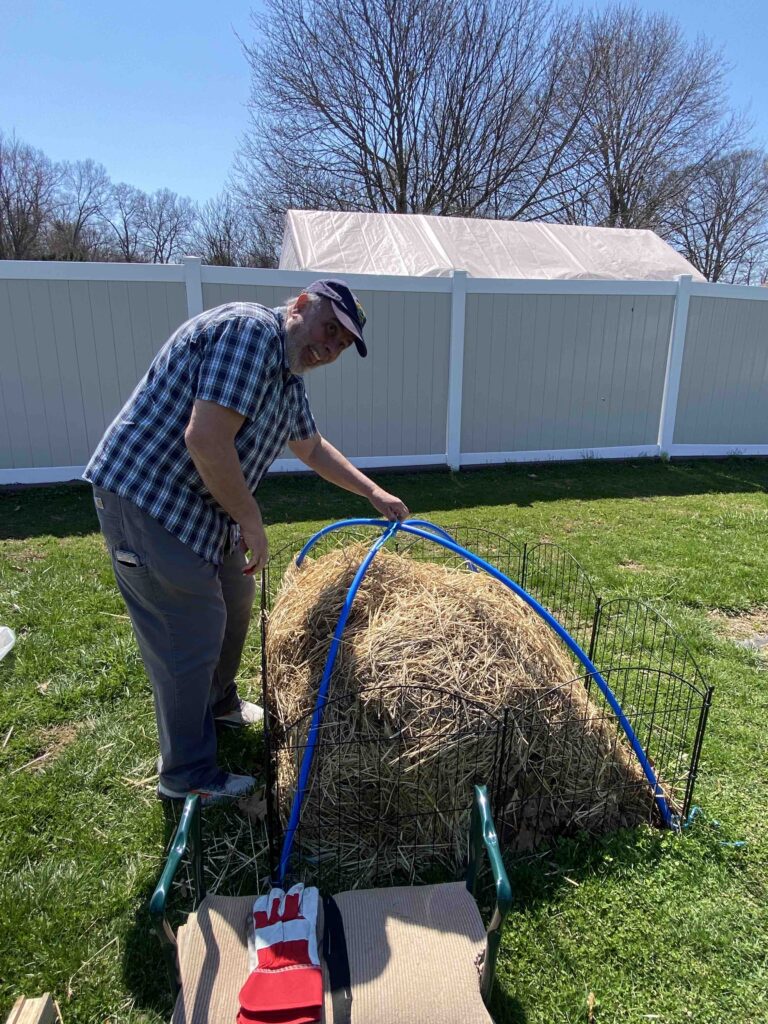
As you can see, the twine holds the two PVC pipes together.
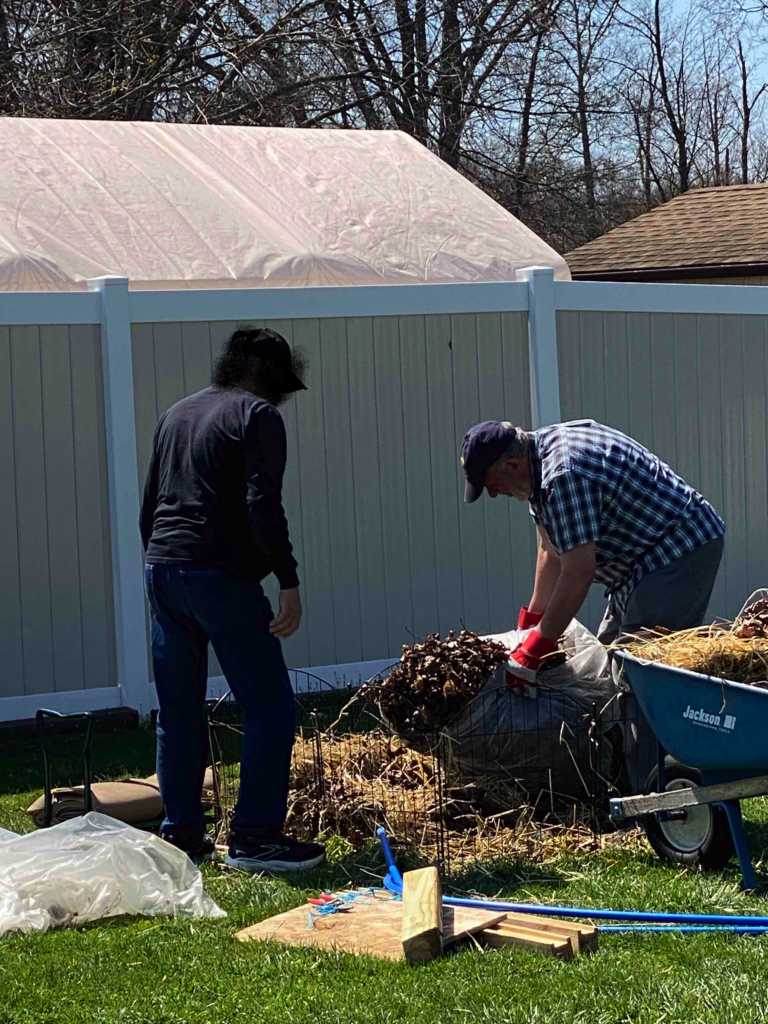
Here, the owner and I remove the plastic bag filled with leaves. The straw is already in the wheelbarrow next to me.
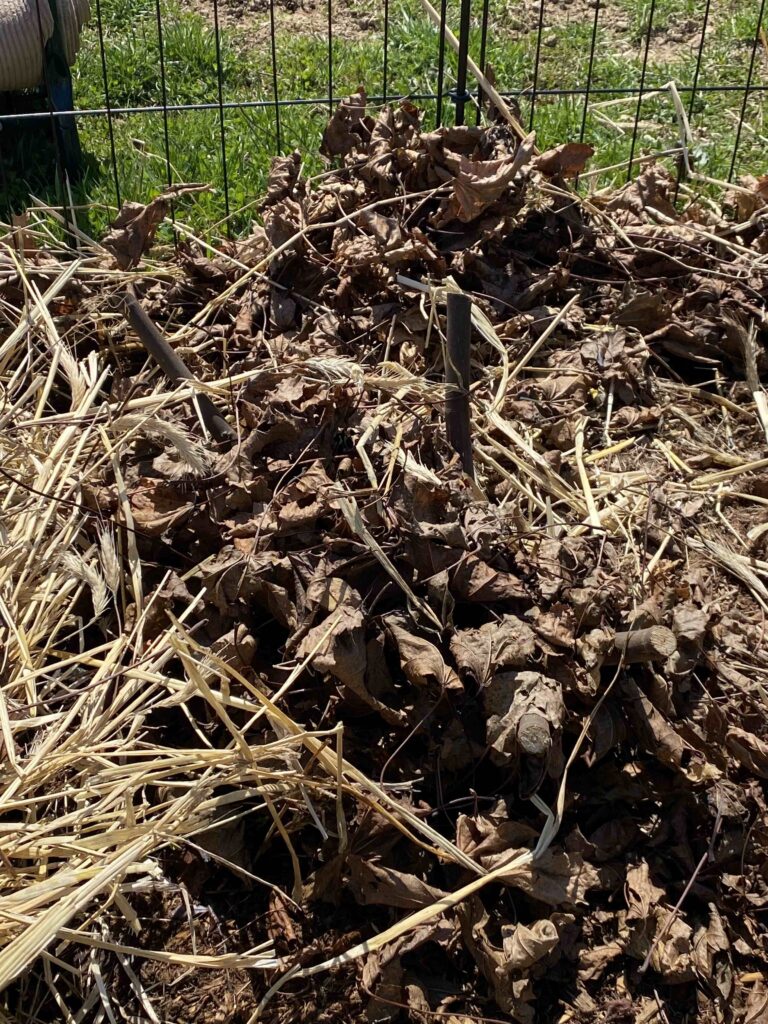
Here is the fig tree nestled among the leaves.
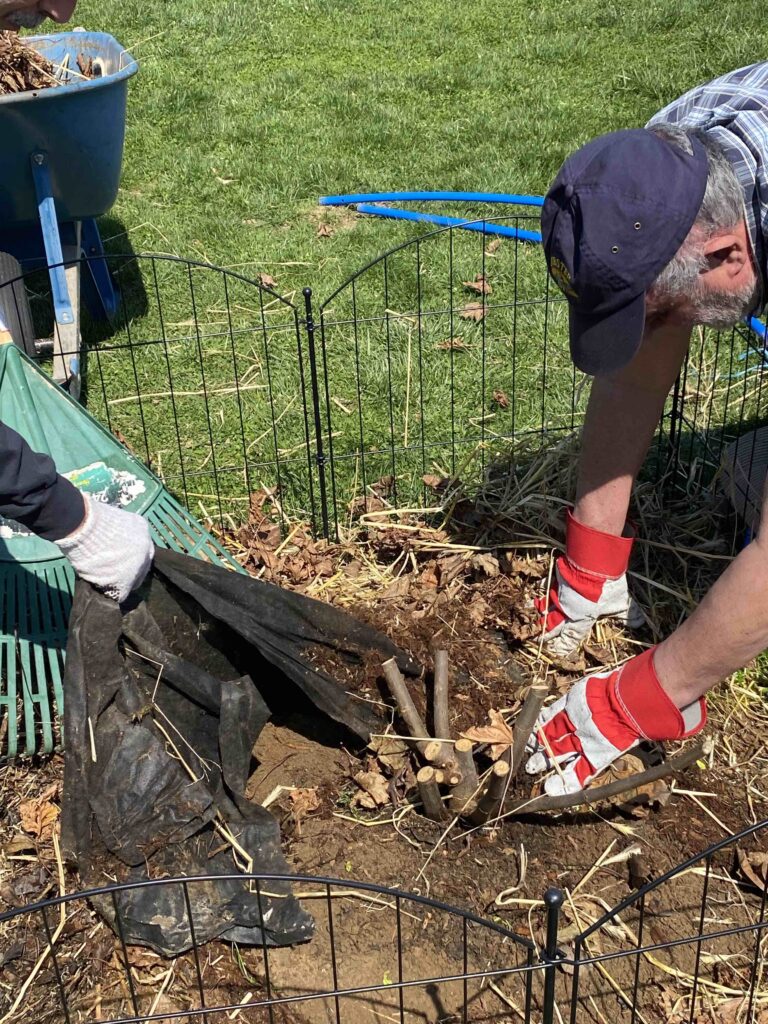
Here is the money shot: the pruned tree, just like the day it was winterized! Perfection!!! The black weed cloth was placed there by the owner last year to block weeds and played no role in the winterization process.
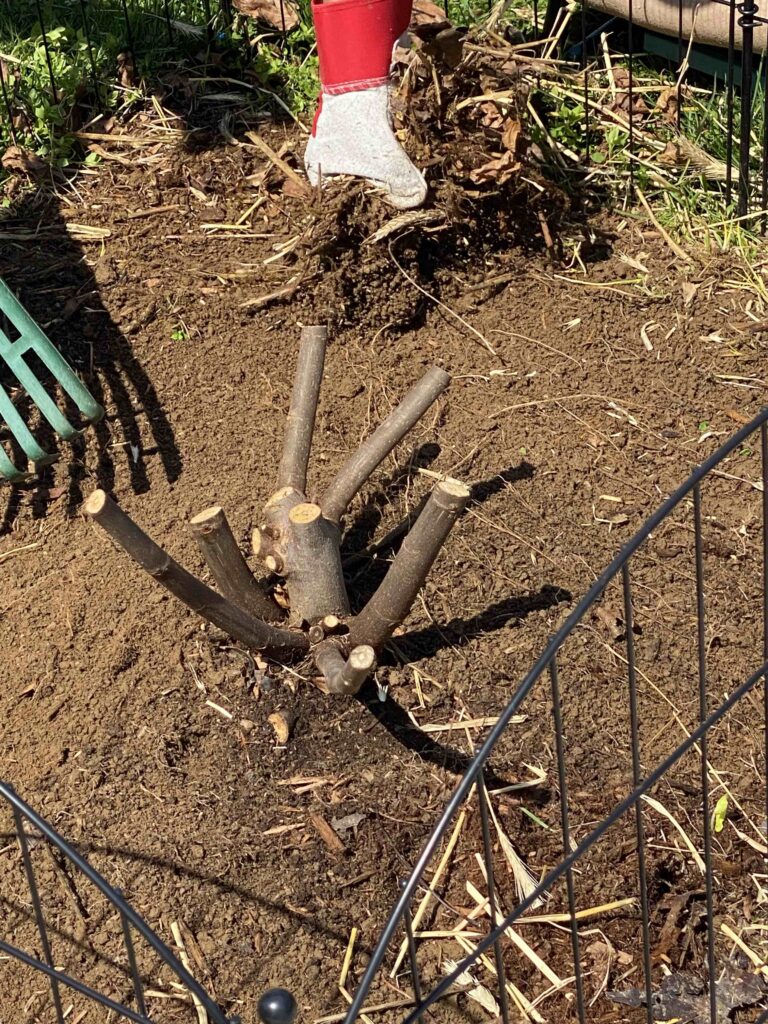
A beauty indeed!
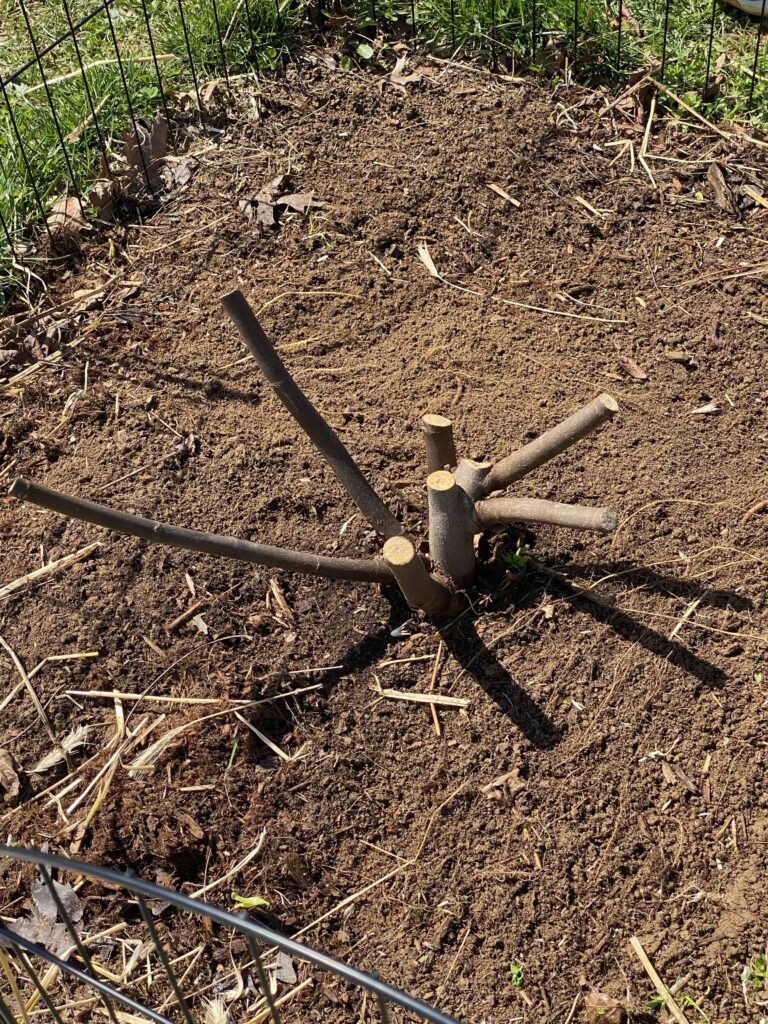
Here is the fig tree from a different angle.
The winterization went splendidly, and the owner and I were very happy with the results. I hope you find this post useful, and please let me know if you used the same method and how it went.
If you’d like to reach out to me privately, please use the contact form on this site.
Subscribe to receive blog updates by email.
Stay tuned, keep on rootin’ and happy growing!


Leave a Reply